How to Build a Home Gym in a Small Space
If you’ve ever told yourself, “I’d work out more if I had more space,” you’re not alone. One of the biggest misconceptions about fitness is that you need a large room filled with expensive machines to get results. In reality, some of the most effective workouts can happen in a surprisingly small area.
With more people embracing home workouts, the idea of building a compact home gym has become not just practical, but essential. Whether you live in a small apartment, share a space, or simply don’t want to dedicate an entire room to fitness, the good news is this: you can create a highly functional home gym with very little space.
This guide will show you exactly how to do it.
Why a Small Home Gym Is Worth It
Before diving into the how, it’s worth understanding why building a small home gym is such a smart move.
First, there’s the convenience. When your workout space is just a few steps away, you eliminate one of the biggest barriers to consistency. No commuting, no waiting for equipment, and no excuses. Even a quick 20-minute session becomes much easier to fit into your day.
It’s also cost-effective in the long run. While there’s an upfront investment, you can avoid recurring gym membership fees. More importantly, when space is limited, you’re naturally encouraged to focus on versatile, high-value equipment instead of buying unnecessary extras.
A home gym also gives you privacy and control. You can work out at your own pace, try new routines without feeling self-conscious, and create an environment that actually motivates you.
Finally, it’s fully customizable. Your space, your rules. Whether you’re into strength training, yoga, or high-intensity workouts, your setup can reflect your goals.
Start by Assessing Your Space
The first step is to figure out where your home gym will live. You don’t need a dedicated room. In fact, most small home gyms are carved out of spaces you’re already using.
Look around your home. A corner of your bedroom, a section of your living room, an unused balcony, or even a hallway can work. The key is to identify a spot where you can move comfortably without constantly rearranging everything.
Once you’ve chosen a location, measure it. This doesn’t have to be overly technical, but knowing your dimensions helps you avoid buying equipment that won’t fit. Don’t forget to think vertically. Wall space is incredibly valuable in small setups.
Next, consider your workout style. Are you focused on strength training, cardio, flexibility, or a mix of everything? Your goals will determine what equipment you actually need. A yoga-focused setup will look very different from one designed for lifting weights.
It’s also important to be realistic. A small space won’t support a full commercial gym setup, and that’s okay. The goal is functionality, not replication.
Choosing the Right Equipment
When space is limited, every piece of equipment needs to earn its place. Think versatility, portability, and efficiency.
Start with the basics. Resistance bands are one of the most underrated tools you can own. They’re lightweight, affordable, and can be used for strength training, mobility work, and even rehabilitation exercises.
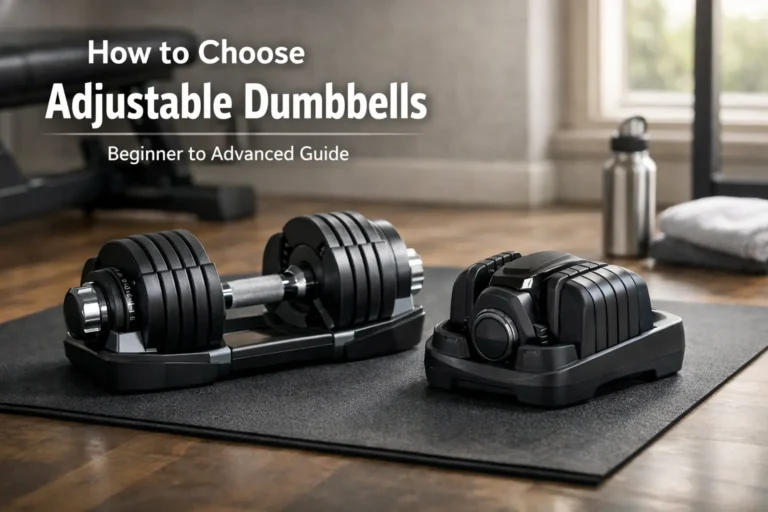
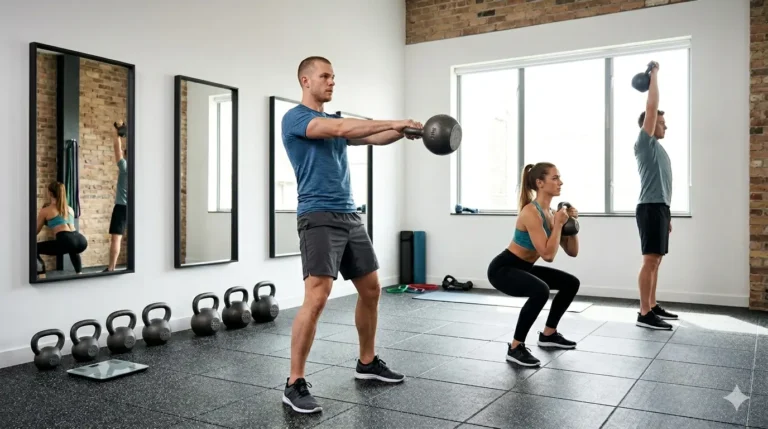
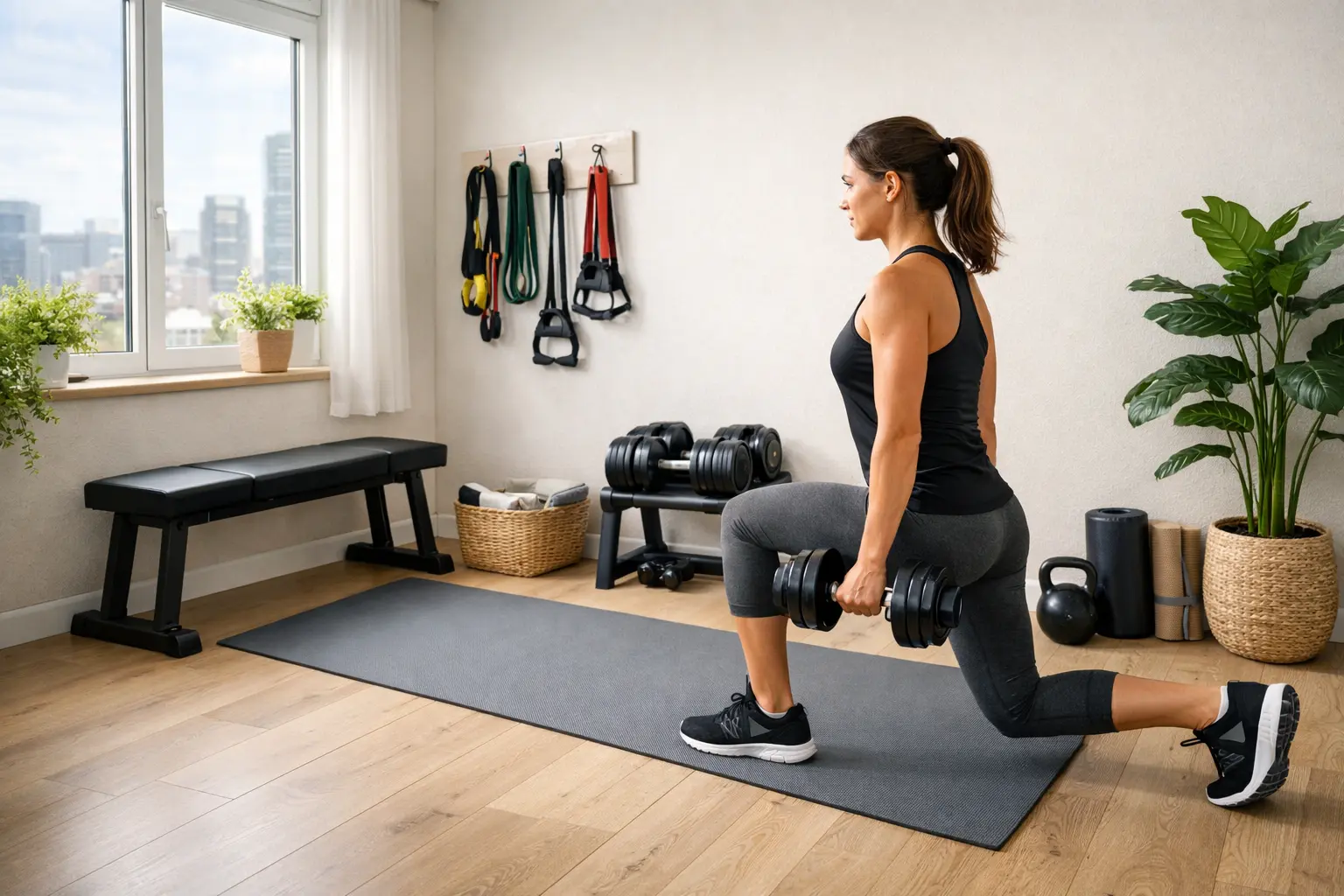
Adjustable dumbbells are another excellent choice. Instead of owning multiple pairs, you get a range of weights in a compact design. Kettlebells are also great if you enjoy dynamic, full-body workouts.
If you want to expand your options, consider a suspension trainer that can be anchored to a door. It allows you to perform dozens of exercises using just your body weight.
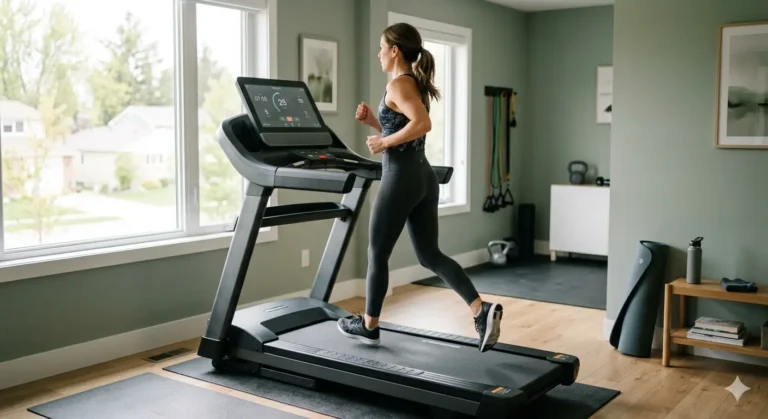
For those who want a bit of cardio, you don’t need a large machine. A jump rope is incredibly effective and takes up almost no space. If you prefer something low-impact, look into compact or foldable exercise bikes or treadmills.
Bodyweight training tools are also worth considering. A doorway pull-up bar, push-up handles, or an ab roller can add variety without taking up much room.
The key is to avoid bulky, single-purpose machines. They tend to dominate small spaces without offering enough value in return.
Designing a Smart Layout
Once you have your equipment, the next step is organizing your space in a way that actually works.
Even in a small area, it helps to think in zones. For example, you might have a mat area for stretching and bodyweight exercises, and a small section for weights. These zones don’t need to be physically separated, but having a mental structure makes your workouts smoother.
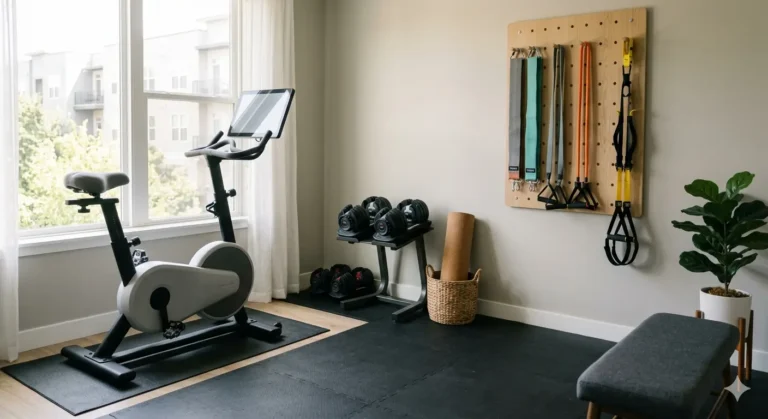
Take advantage of vertical space as much as possible. Wall-mounted hooks, shelves, or racks can keep your equipment off the floor and within easy reach. This not only saves space but also makes your setup look cleaner and more intentional.
Keep things minimal. It’s tempting to fill your gym with gear, but clutter will quickly make a small space feel cramped and uninviting. Stick to what you actually use.
Flooring is another important consideration. A good mat or interlocking foam tiles can protect your floors, reduce noise, and provide a more comfortable workout surface. This is especially important if you live in an apartment.
Mirrors can also make a big difference. They create the illusion of more space and help you check your form during exercises. Pair that with good lighting, and your small gym will feel much more open and motivating.
Storage Solutions That Actually Work
Storage is where many small home gyms either succeed or fail. Without a system, even a few pieces of equipment can quickly turn into a mess.
Wall storage is your best friend. Hooks can hold resistance bands, jump ropes, and even lightweight bars. Pegboards are another excellent option for organizing smaller accessories.
If wall space is limited, look under your furniture. Dumbbells, mats, and other compact items can easily slide under a bed or sofa. Storage bins or baskets can help keep everything contained and easy to access.
You can also use multi-purpose furniture. For example, a bench with built-in storage can double as both seating and equipment storage.
Make it a habit to declutter regularly. If you’re not using something, it’s probably not worth the space it occupies.
Creating a Space You Actually Want to Use
Functionality matters, but so does how your space feels. A motivating environment can make the difference between sticking to your routine and skipping workouts.
Personalize your space in simple ways. This could be as basic as adding a few posters, a motivational quote, or choosing colors that energize you.
Technology can also enhance your workouts. A tablet or small screen can give you access to guided workouts, fitness apps, or virtual classes. Even a simple phone stand can make a big difference.
Music is another powerful motivator. A good pair of headphones or a small speaker can instantly boost your energy and focus.
Most importantly, keep the space clean and inviting. If your gym area becomes a dumping ground for random items, you’re far less likely to use it.
Building Your Gym on a Budget
You don’t need a huge budget to get started. In fact, a small space naturally encourages a more cost-effective approach.
Start with the essentials and build over time. There’s no need to buy everything at once. As your fitness routine evolves, you can gradually add more equipment.
Consider buying second-hand. Many people sell barely used fitness equipment at a fraction of the original price. Just make sure to check the quality before purchasing.
You can also get creative with DIY options. Household items like water bottles, backpacks filled with books, or sturdy chairs can double as workout tools in a pinch.
When you do invest in equipment, prioritize quality over quantity. A few durable, versatile items will serve you much better than a collection of cheap, rarely used gadgets.
Small-Space Gym Ideas to Inspire You
If you’re not sure how to put everything together, here are a few simple setups to consider.
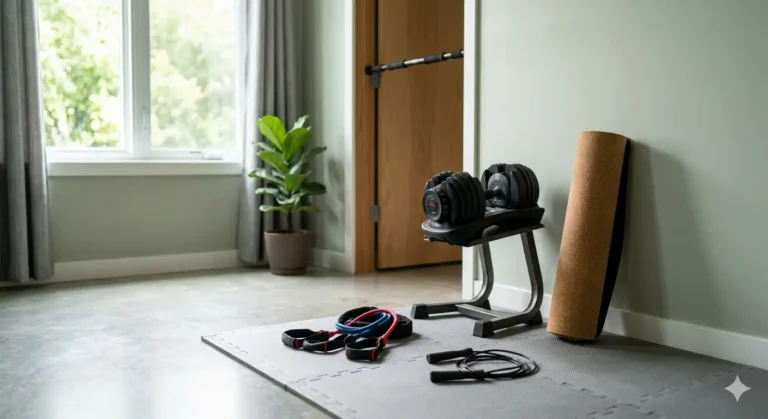
A corner gym is one of the easiest options. A mat, a pair of dumbbells, and some wall hooks can transform an unused corner into a functional workout area.
A closet gym is another creative solution. By clearing out a closet and adding shelves or hooks, you can create a compact, organized fitness station that can be hidden away when not in use.
If you’re working with a shared space, a living room setup might be your best bet. Use portable equipment that can be stored in baskets or bins and brought out only when needed.
If you have access to a balcony, you can even create a small outdoor gym. Fresh air can make your workouts more enjoyable, just be sure to choose equipment that can handle the elements.
Common Mistakes to Avoid
As you build your home gym, there are a few pitfalls to watch out for.
One of the biggest mistakes is overcrowding the space. It’s easy to get excited and buy too much equipment too quickly. This often leads to clutter and reduces the usability of your gym.
Ignoring storage is another common issue. Without a plan, your space can quickly become disorganized.
Choosing bulky equipment is also a problem in small areas. Always consider size and portability before making a purchase.
Lack of planning can make even a well-equipped space feel inefficient. Take the time to think through your layout and how you’ll actually use the space.
Finally, don’t overlook safety. Make sure you have enough room to move freely and that your flooring provides adequate support.
Maintaining Your Home Gym
Once your gym is set up, keeping it in good condition is key.
Clean your equipment regularly to maintain hygiene and extend its lifespan. This is especially important if you’re working out frequently.
Reassess your setup from time to time. As your fitness goals change, your equipment and layout might need to evolve as well.
Stay organized by returning items to their designated spots after each workout. This simple habit can make a big difference.
Most importantly, build a routine. Your home gym is only as effective as your consistency.
Final Thoughts
Building a home gym in a small space isn’t about limitations. It’s about making smart choices and using what you have effectively.
You don’t need a lot of room to get stronger, fitter, and healthier. With the right approach, even the smallest corner can become a powerful space for transformation.
Start simple, stay consistent, and let your setup grow with you.