How to Build a Home Gym in an Apartment
Living in an apartment often means dealing with limited space, shared walls, and a general need to be mindful of noise and storage. Because of that, many people assume building a home gym just isn’t realistic. If you don’t have a garage or a spare room, it can feel like you’re stuck relying on a commercial gym.
But that assumption isn’t really true. You don’t need a large space to build an effective workout setup. In fact, some of the best home gyms are built in small apartments where every piece of equipment is chosen carefully and used intentionally.
The key is not space. It’s strategy.
With the right approach, you can create a home gym that fits comfortably into your apartment and still supports strength training, cardio, mobility work, and everything in between.
Why an Apartment Home Gym Is Worth It
One of the biggest advantages of having a home gym in your apartment is convenience. When your workout space is just a few steps away, it becomes much easier to stay consistent. There’s no commute, no waiting for equipment, and no need to plan your day around gym hours.
It’s also more cost-effective over time. While there is an upfront investment in equipment, it often pays for itself compared to monthly gym memberships.
Privacy is another major benefit. You can train at your own pace without feeling self-conscious or distracted. That alone can make workouts more enjoyable and sustainable.
Finally, an apartment gym gives you flexibility. You can design it around your routine, your space, and your preferences rather than adapting to a crowded gym environment.
The Challenges You Need to Plan For
Of course, apartment gyms come with their own set of challenges. The most obvious one is space. You won’t have room for large machines or bulky setups, so every piece of equipment needs to earn its place.
Noise is another important factor. If you live above or next to neighbors, dropping weights or high-impact exercises can quickly become a problem.
Flooring is also something to consider. Without proper protection, heavy equipment or repetitive movement can damage floors over time.
Storage is the final challenge. In a small apartment, clutter builds up quickly if you don’t have a plan for where everything goes.
The good news is that all of these challenges can be managed with the right setup.
Choosing the Right Space in Your Apartment
The first step is deciding where your gym will actually live.
For most people, the living room is the easiest option. It offers the most open space and allows you to fold your workout into daily life. You can roll out a mat, train, and then put everything away when you’re done.
A bedroom corner can also work well, especially if you prefer privacy and a more consistent routine. Even a small cleared-out area can be enough for bodyweight training and light equipment.
If you have a balcony, that can be a great option for cardio workouts or morning sessions, as long as weather conditions allow.
Sometimes, it’s just about finding unused corners or small gaps in your layout and making them functional.
Essential Equipment for a Small Apartment Gym
When space is limited, versatility becomes the most important factor in choosing equipment.
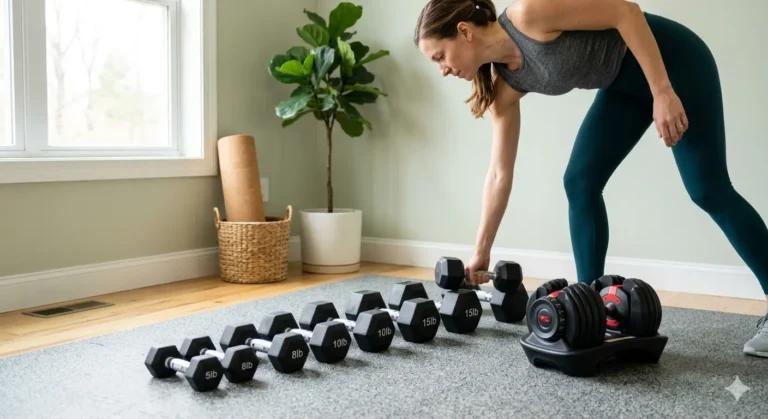
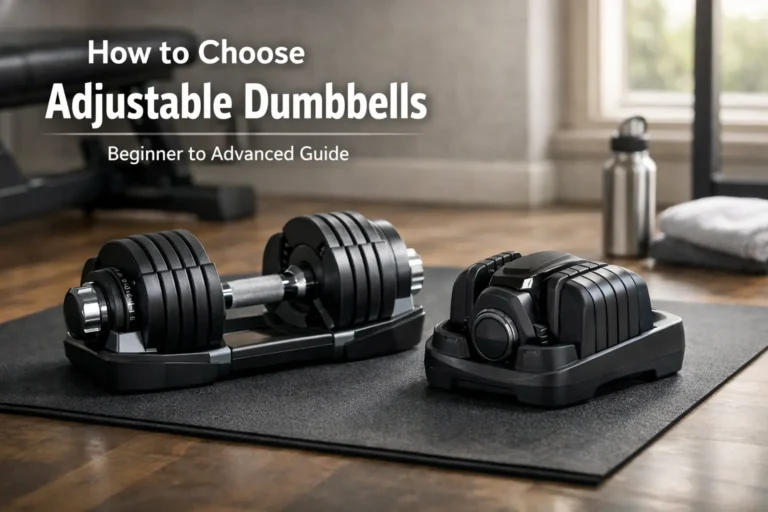
Adjustable dumbbells are one of the best investments you can make. Instead of buying multiple sets, you get a full range of weights in one compact system. They’re perfect for strength training without taking up much space.
Resistance bands are another must-have. They’re lightweight, inexpensive, and incredibly versatile. You can use them for strength training, mobility work, and even warm-ups.
A kettlebell or two can also go a long way. They’re great for full-body workouts and don’t require much storage space.
For bodyweight training, a doorway pull-up bar is a solid addition if your apartment setup allows it. Suspension trainers are another great option because they can turn almost any space into a functional gym.
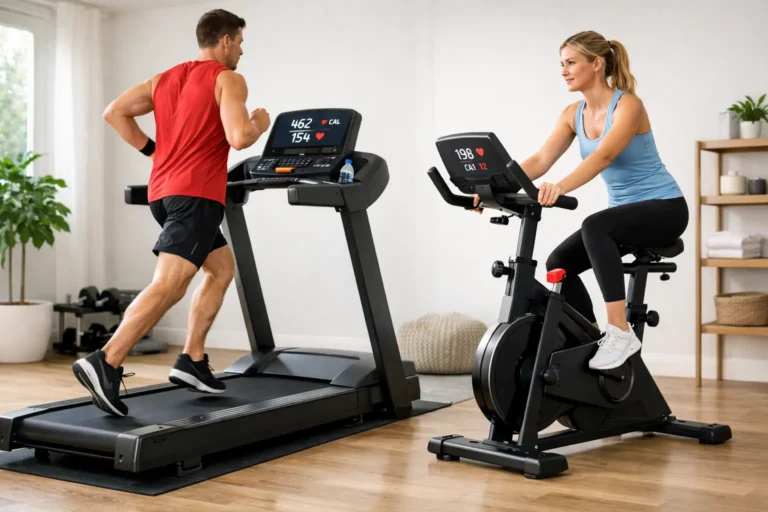
For cardio, jump ropes are extremely effective and take up almost no space. If you want something larger, compact treadmills or folding exercise bikes can work, but only if your apartment has the space and noise tolerance for them.
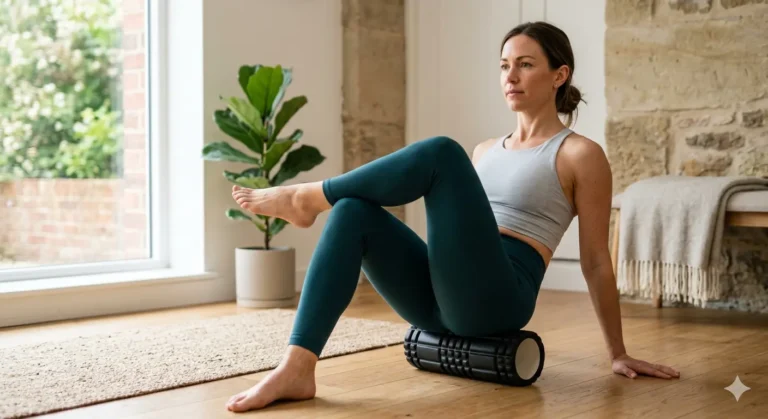
Finally, don’t overlook recovery tools. A simple yoga mat, foam roller, and massage ball can make a big difference in comfort and recovery.
Making the Most of Your Space
In a small apartment, organization matters just as much as equipment choice.
One useful strategy is to create zones. Even if it’s just a mental separation, having a clear workout area helps you stay focused and prevents your gym from taking over your living space.
Vertical storage can also be very helpful. Wall hooks, shelves, or compact racks can keep equipment off the floor and out of the way.
Foldable and portable equipment should be prioritized whenever possible. The easier it is to set up and put away, the more likely you are to use it consistently.
A minimalist approach works best in apartments. You don’t need a large collection of equipment. You just need the right tools that allow you to train effectively.
Dealing With Noise in Apartment Workouts
Noise is one of the biggest concerns when building a home gym in an apartment, but it can be managed with a few smart choices.
Flooring protection is essential. Rubber mats or foam tiles can reduce both noise and vibration while also protecting your floors.
Exercise selection also plays a role. Low-impact movements like controlled strength training, resistance band work, and steady cardio are usually better suited for shared living spaces.
Timing matters too. Working out during reasonable hours helps you avoid disturbing neighbors and reduces stress for you as well.
Finally, equipment choice can make a difference. Some machines are naturally quieter than others, so it’s worth considering noise levels before buying anything large.
Budget-Friendly Setup Options
You don’t need to spend a lot of money to build a functional apartment gym.
At a starter level, even a small budget can get you resistance bands, a yoga mat, and a jump rope. That alone is enough for a wide variety of workouts.
With a mid-range budget, you can add adjustable dumbbells and a pull-up bar, which significantly expands your training options.
If you have a larger budget, compact cardio machines or more advanced equipment can be added, but they are not essential for most people.
The most important principle is to focus on value and versatility rather than quantity. A few well-chosen tools are far more useful than a room full of unused equipment.
Sample Apartment Gym Setups
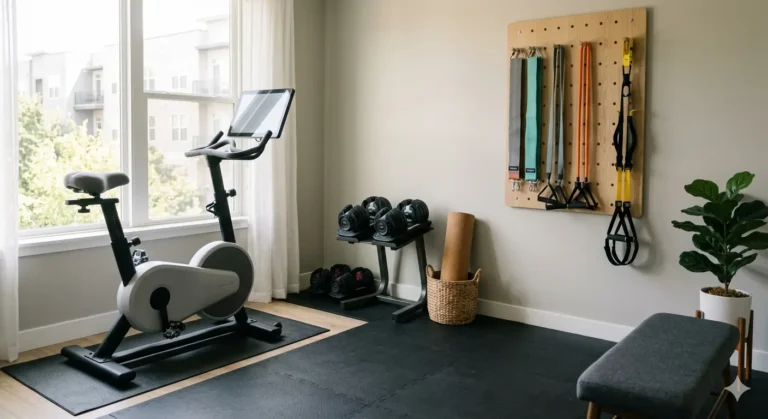
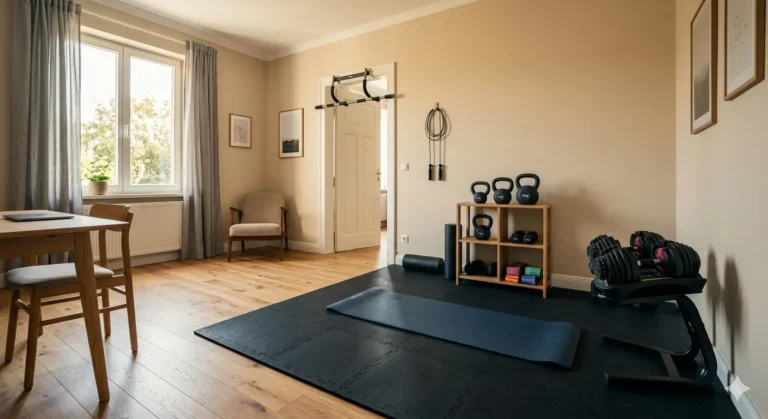
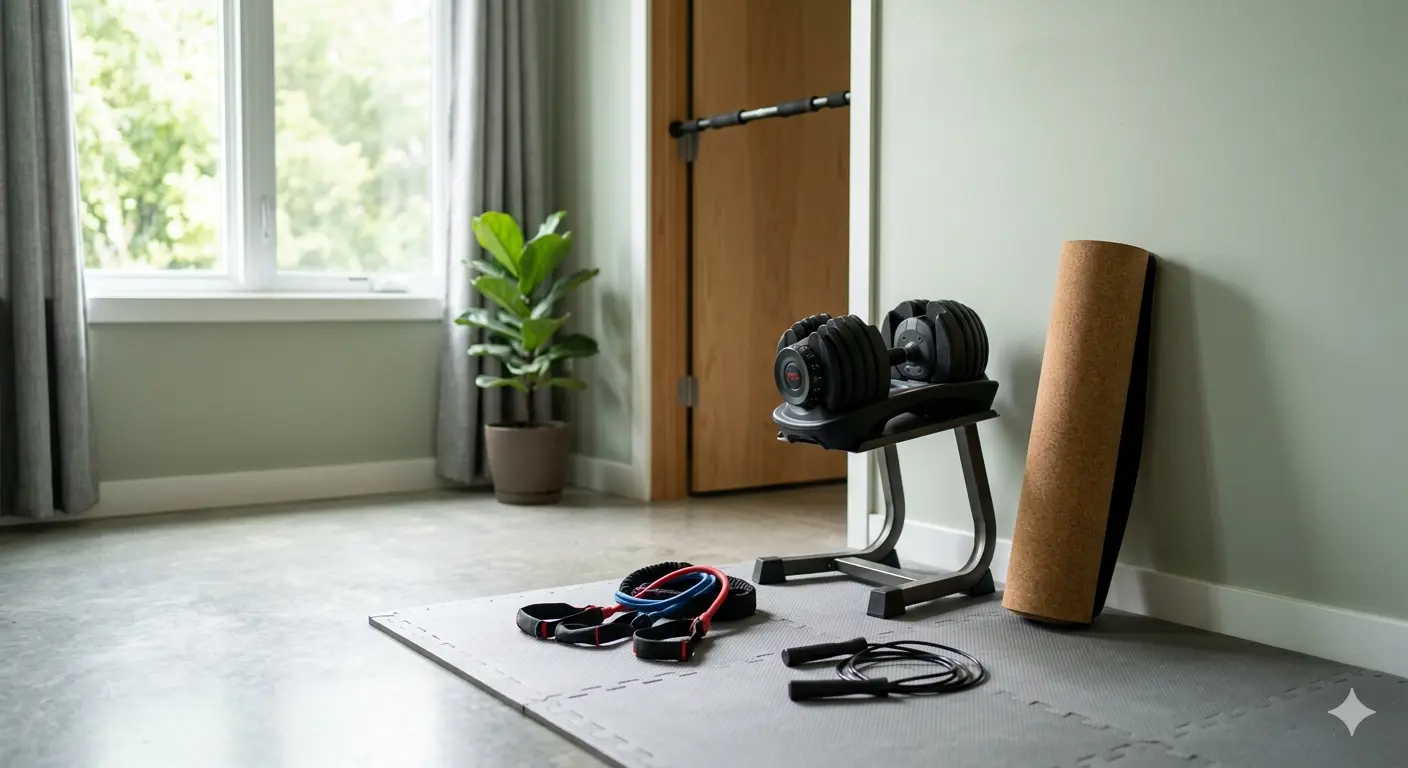
A minimal corner setup might include a mat, a set of resistance bands, and adjustable dumbbells. This is enough for strength training, mobility work, and light cardio.
A living room convertible setup might add storage baskets or a small rack to keep equipment organized and easy to access, allowing you to quickly transition between living space and workout space.
If you have a balcony, you can create a cardio-focused zone with a jump rope or compact bike for outdoor-friendly sessions.
Some people even turn a closet into a hidden gym storage area, keeping everything out of sight until it’s needed.
Common Mistakes to Avoid
One of the biggest mistakes is trying to fit too much equipment into a small space. This usually leads to clutter and makes workouts less enjoyable.
Another issue is ignoring noise. Even if you don’t mind it, your neighbors might.
Buying large machines too early is also common. Many people end up with equipment that doesn’t fit their space or lifestyle.
Lack of storage planning is another problem. Without a clear system, your gym can quickly take over your apartment.
Finally, choosing equipment that doesn’t match your workout style leads to unused gear and wasted money.
Staying Consistent in a Small Space
Consistency is what makes a home gym successful. In an apartment, the easier it is to start your workout, the more likely you are to do it.
Keeping your equipment visible or easily accessible helps reduce friction. If everything is buried in a closet, you’re less likely to use it.
Having a simple routine also helps. You don’t need complicated programming. You just need something repeatable.
Keeping your space clean and organized makes a big difference in motivation. A clutter-free workout area feels more inviting.
Using online workouts or fitness apps can also help guide your training and keep things interesting.
Safety Considerations
Even in a small space, safety matters. Always protect your floors, especially if you’re using weights or doing repetitive movement.
Be mindful of your form, since limited space can sometimes lead to awkward positioning.
Make sure your workout area has good ventilation and enough room for you to move comfortably without bumping into furniture.
Final Thoughts
Building a home gym in an apartment is not about having more space. It’s about using your space wisely.
When you focus on compact equipment, smart layout choices, and consistency, you can create a setup that supports almost any fitness goal.
You don’t need everything at once. Start small, build gradually, and adjust as you learn what works for you.
With the right mindset and a simple plan, your apartment can become one of the most effective training environments you’ve ever had.