How to Choose a Treadmill for Home Use
Buying a treadmill for your home sounds simple at first. You decide you want to walk or run indoors, you start browsing online, and then suddenly you’re faced with dozens of models, confusing specifications, and a wide range of prices.
It’s easy to feel stuck. Do you go for the cheapest option? The one with the most features? The one that looks the most modern?
The truth is, choosing the right treadmill has very little to do with trends or appearance. It comes down to how well the machine fits your goals, your space, and how you actually plan to use it.
If you approach it the right way, you can avoid wasting money and end up with a treadmill that supports your fitness routine for years.
Why a Treadmill Is a Smart Home Investment
There’s a reason treadmills are one of the most popular pieces of home fitness equipment.
First, they’re incredibly convenient. You can walk, jog, or run at any time without worrying about weather, traffic, or safety. Whether it’s early morning or late at night, your workout is always available.
They’re also versatile. A treadmill isn’t just for running. You can use it for walking workouts, incline hikes, interval training, and even low-impact recovery sessions. That makes it suitable for beginners and experienced users alike.
Another big advantage is consistency. When your workout equipment is at home, it’s much easier to build a routine. There are fewer barriers, which means fewer excuses.
Finally, treadmills offer a controlled environment. You can adjust speed and incline precisely, making it easier to track progress and stay within your comfort zone.
Start with Your Fitness Goals
Before you even look at specific models, take a step back and think about how you plan to use your treadmill.
If your main goal is walking or light activity, you don’t need a powerful machine. A basic treadmill with a modest motor and simple features will do the job.
If you plan to jog or run regularly, you’ll need something more robust. Running places more demand on the motor, the belt, and the frame, so durability becomes much more important.
For those focused on weight loss or improving cardio fitness, features like incline settings and interval programs can add variety and intensity to your workouts.
If you’re aiming for high-performance training, such as long-distance running or intense intervals, you’ll want a treadmill with a strong motor, a spacious running surface, and reliable build quality.
Your goals should guide every decision you make from this point forward.
Understanding the Different Types of Treadmills
Not all treadmills are the same, and understanding the main types can help you narrow your options quickly.
Manual treadmills are powered by your own movement. They’re usually more affordable and compact, but they lack the smoothness and features of motorized models. For most people, they’re not the best choice for regular use.
Motorized treadmills are the most common option for home use. They allow you to control speed and incline with the push of a button, making them far more convenient and versatile.
Folding treadmills are designed for smaller spaces. They can be folded up when not in use, which is ideal if you don’t have a dedicated workout area. However, some folding models may feel slightly less sturdy than non-folding ones.
You’ll also come across commercial-grade treadmills. These are built for heavy use in gyms and are extremely durable, but they’re also much more expensive. For most home users, they’re unnecessary.
Key Features That Actually Matter
Once you know what type of treadmill you want, it’s time to focus on the features that will impact your experience.
Motor power is one of the most important factors. It’s usually measured in horsepower. For walking, a motor in the 1.5 to 2.0 horsepower range is typically sufficient. If you plan to run, look for at least 2.5 to 3.5 horsepower to ensure smooth and consistent performance.
The running surface is another critical detail. This refers to the length and width of the belt. Taller users or those with longer strides will need a longer deck, especially for running. A cramped surface can make workouts uncomfortable and even unsafe.
Speed range matters depending on your goals. Walkers won’t need high speeds, but runners should make sure the treadmill can accommodate their pace.
Incline options can add a lot of value. Being able to simulate uphill walking or running increases intensity and helps target different muscle groups. Some treadmills even offer decline settings, though these are less common.
Cushioning is often overlooked, but it plays a big role in comfort. A well-cushioned deck reduces impact on your joints, which is especially important if you plan to use the treadmill frequently.
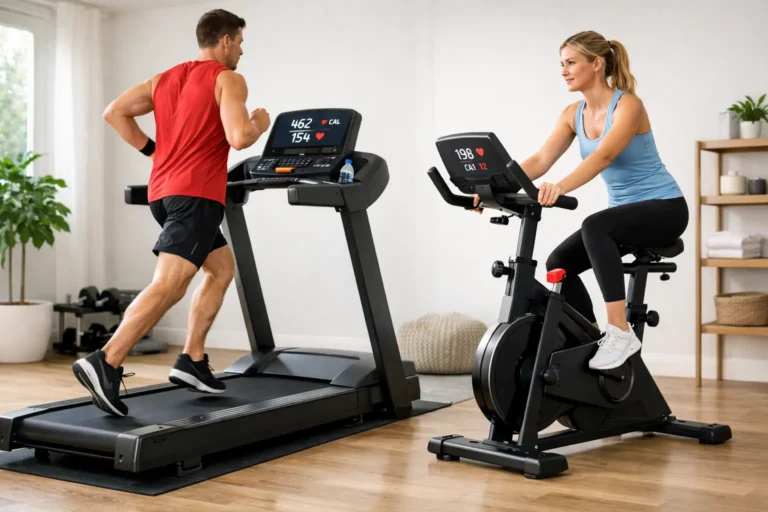
The console and display don’t need to be overly complicated, but they should provide essential information like speed, distance, time, and calories. More advanced models may include touchscreens, workout programs, and heart rate tracking.
Connectivity features, such as Bluetooth or app integration, can be useful but aren’t essential. They can enhance your experience, especially if you enjoy guided workouts, but they shouldn’t be the main reason you choose a treadmill.
Making Sure It Fits Your Space
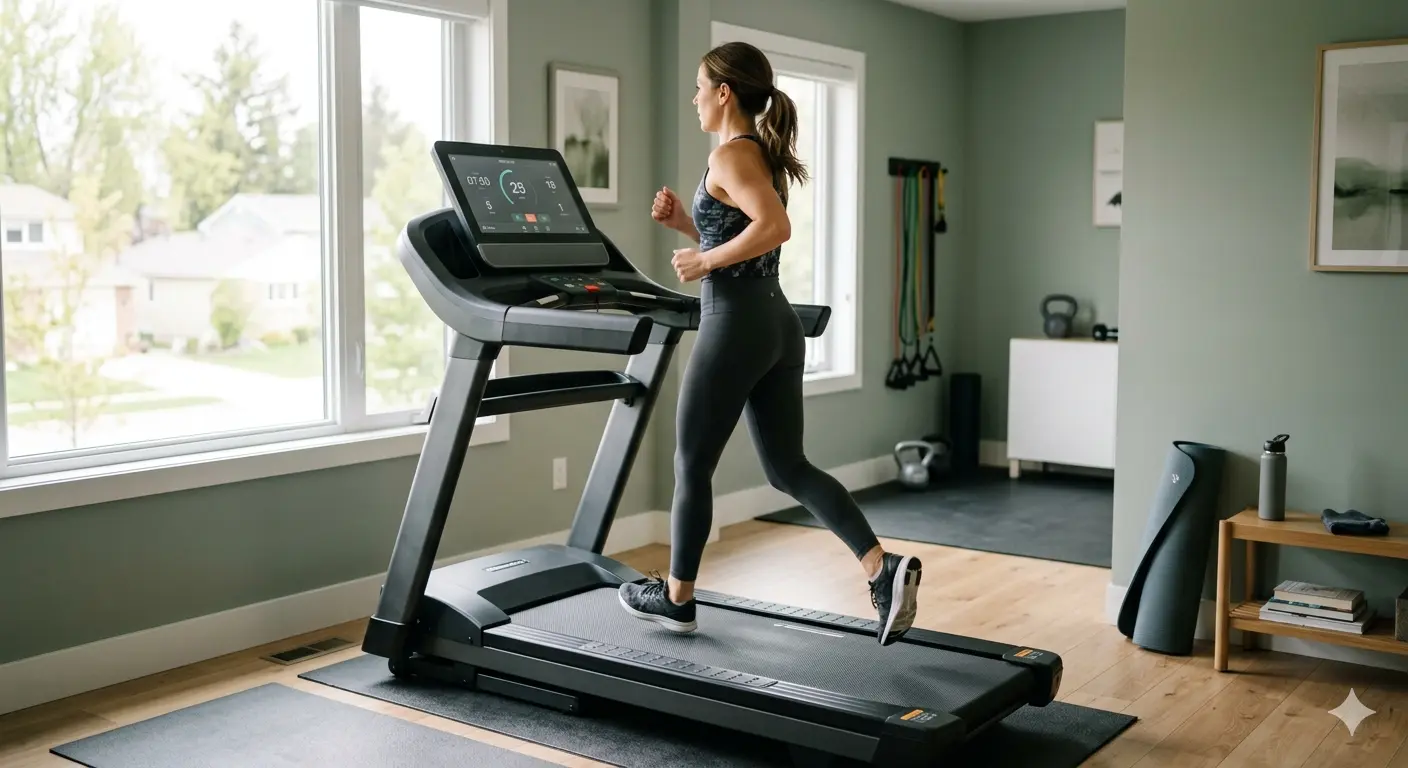
A treadmill might seem compact in a showroom or online listing, but it can take up a significant amount of space in your home.
Start by measuring the area where you plan to place it. Make sure there’s enough room not just for the machine itself, but also for safe use. You’ll need space to get on and off comfortably.
Ceiling height is another factor, especially if you’re taller or plan to run. The added height from the treadmill deck can make a difference.
If space is limited, a folding treadmill can be a great option. Just make sure the folding mechanism is easy to use and secure.
Portability is also worth considering. Many treadmills come with wheels, making them easier to move when needed.
Noise levels can be important as well, particularly if you live in an apartment or share your space. A quieter machine will make your workouts more comfortable for everyone.
Understanding Your Budget
Treadmills come in a wide range of prices, and it’s important to know what you’re getting at each level.
Entry-level treadmills, typically in the $200 to $500 range, are best suited for walking and light use. They usually have basic features and smaller motors.
Mid-range treadmills, from $500 to $1000, offer the best balance for most people. You’ll get better build quality, stronger motors, and more features, making them suitable for jogging and moderate running.
Premium treadmills, priced above $1000, are built for durability and performance. They often include advanced features, larger running surfaces, and higher weight capacities.
It’s tempting to go for the cheapest option, but that can lead to frustration if the machine doesn’t meet your needs. Think of your treadmill as a long-term investment in your health.
Safety and Durability
Safety should always be a priority when choosing fitness equipment.
Check the weight capacity to ensure the treadmill can support you comfortably. A higher capacity often indicates a sturdier build.
Look at the overall construction. A solid frame and stable design will make your workouts safer and more enjoyable.
Most treadmills include an emergency stop key, which allows you to quickly shut off the machine if needed. This is a simple but important feature.
Warranty is another indicator of quality. Pay attention to coverage for the motor, frame, and parts. A longer warranty usually reflects greater confidence from the manufacturer.
Common Mistakes to Avoid
One of the most common mistakes is ignoring space requirements. Buying a treadmill that doesn’t fit properly can quickly turn into a headache.
Another issue is choosing a model with insufficient motor power. This can lead to poor performance and a shorter lifespan, especially if you plan to run.
Some people end up overpaying for features they never use. While advanced technology can be appealing, it’s not always necessary.
Finally, skipping research can lead to regret. Take the time to read reviews and compare options before making a decision.
Getting the Most Out of Your Treadmill
Once you’ve chosen your treadmill, how you use it matters just as much as the machine itself.
Start with a simple plan. Whether it’s daily walks or structured running sessions, having a routine makes it easier to stay consistent.
Use incline and interval training to add variety and challenge to your workouts. This can help you get better results without spending more time exercising.
Take care of your treadmill by cleaning it regularly and following basic maintenance guidelines. This will keep it running smoothly for longer.
Most importantly, use it consistently. Even the best treadmill won’t make a difference if it sits unused.
Final Thoughts
Choosing a treadmill for home use doesn’t have to be overwhelming. When you focus on your goals, your space, and the features that truly matter, the decision becomes much clearer.
You don’t need the most expensive model or the one with the most features. You need the one that fits your lifestyle and supports your routine.
Take your time, make an informed choice, and invest in a machine that you’ll actually use. That’s what makes the difference in the long run.