The Complete Cycling Gear Checklist: Everything You Actually Need
Search for “cycling gear checklist” and you’ll get buried in lists claiming you need forty different items before your first ride. Most of that is noise. The truth is you can get started with a fairly short list of essentials, and everything else can wait until you actually know what kind of riding you enjoy and where your gear gaps really are.
This guide breaks things down by priority instead of dumping everything into one giant list. We’ll start with what actually matters before you even think about accessories, move through the safety and clothing essentials, cover the maintenance tools worth having at home, and finish with the extras that are genuinely nice but not something to buy on day one.
The Bike Itself: Getting the Basics Right
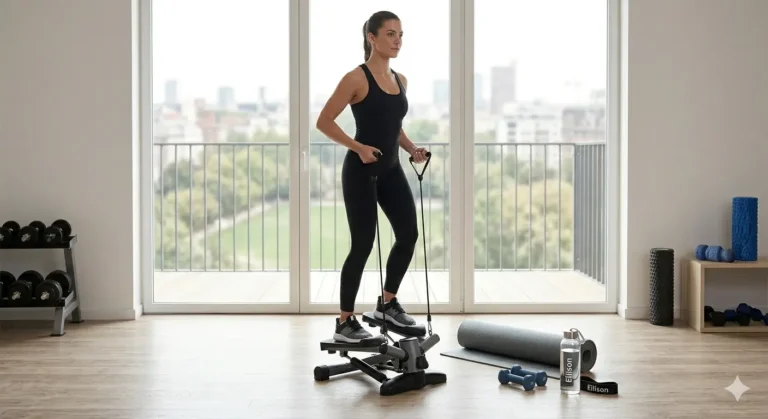
Before any gear list matters, the bike itself needs to fit how you actually plan to ride. A commuter bike, a road bike, a mountain bike, and an indoor trainer setup all serve different purposes, and buying based on what looks good rather than what matches your actual riding habits is one of the most common early mistakes.
Sizing and fit matter more than almost anything else on this list. A bike that’s the wrong size will cause discomfort and inefficiency no matter how much good gear you layer on top of it. A well-fitted bike in a modest price range will serve you far better, and far longer, than an expensive bike that doesn’t actually fit your body. If you’re buying new, it’s worth getting properly sized at a shop rather than guessing based on a size chart alone.
Absolute Essentials, Non-Negotiable
These are the items that matter regardless of what kind of riding you do or how far you’re going.
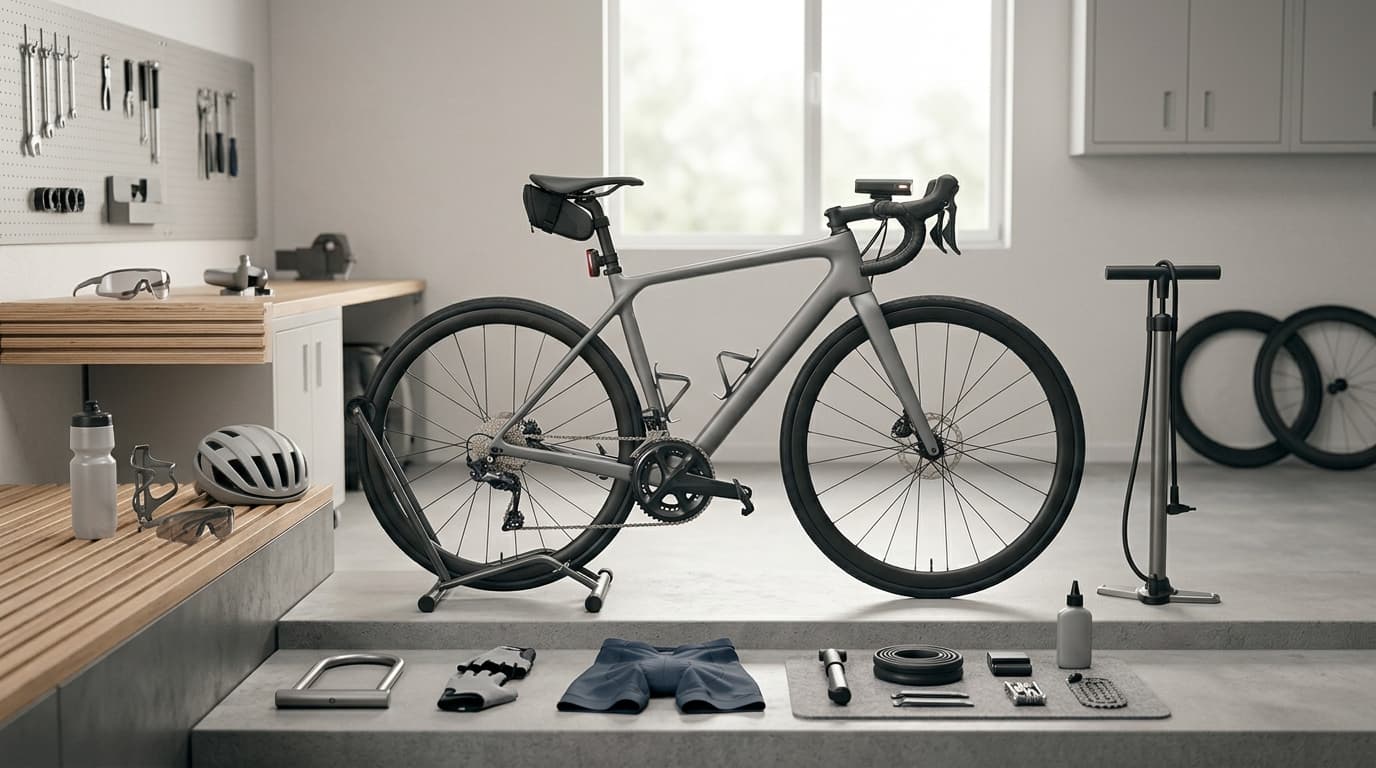
A properly fitted helmet is the one item that isn’t optional. It should sit level on your head, cover your forehead without tipping back, and have a snug enough strap that it doesn’t shift when you shake your head. If you’re ever in a crash, replace the helmet afterward even if it looks fine, since the protective foam can be compromised in ways you can’t see.
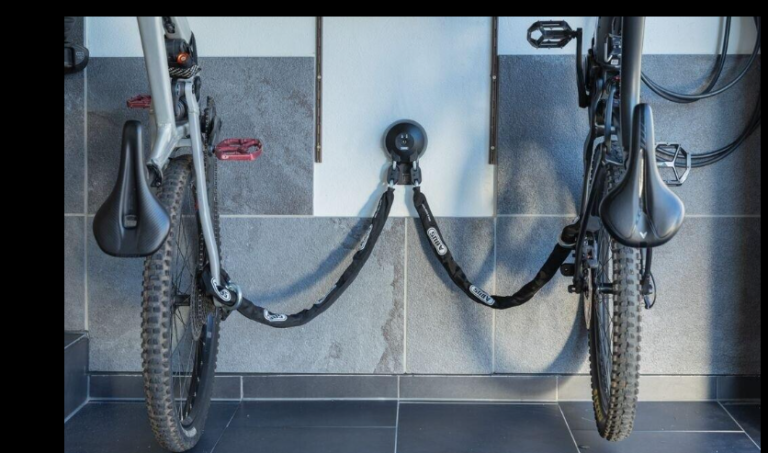
A lock matched to where and how you’ll be parking is next. A lightweight cable lock is fine for quick stops where you can keep an eye on the bike, but a sturdier U-lock or chain is worth the extra weight if you’re locking up in busier areas or leaving your bike unattended for longer stretches.
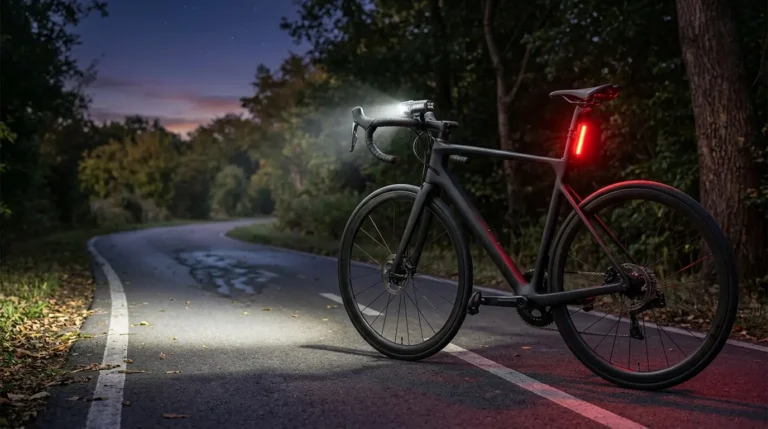
Lights, front and rear, matter even for daytime riding, not just after dark. Visibility to drivers and other riders is one of the simplest ways to reduce risk, and a set of decent lights is inexpensive relative to how much they help.
Round out the essentials with a water bottle and cage mounted to your frame, plus a basic repair kit: a spare tube that matches your tire size, a set of tire levers, and a mini pump. A flat tire without any of these turns a minor inconvenience into a long walk home.
Safety and Visibility Gear
Beyond the core essentials, a few additional items make a real difference in how safe and comfortable you feel on the road or trail.
Reflective elements, whether built into your clothing or added to your bike itself, help with visibility in low light conditions that lights alone don’t fully cover. A bell or horn is a small addition that matters more than people expect on shared paths, giving pedestrians and other riders a heads up before you pass.
If you ride on roads with traffic regularly, a mirror, either handlebar-mounted or attached to your helmet, lets you check behind you without having to twist your whole body, which is both safer and more comfortable. And it’s worth carrying some form of ID or emergency contact information, whether that’s a small roadside ID band or accessible info on your phone’s lock screen, just in case something goes wrong far from home.
Clothing Essentials
Clothing has a bigger impact on comfort than most beginners expect, and it’s worth investing here before spending on flashier accessories.
Padded cycling shorts are one of those items that sound unnecessary until you’ve ridden any real distance without them. The padding, called a chamois, significantly reduces discomfort on longer rides and is worth prioritizing even if you’re on a tight budget. Moisture-wicking jerseys or tops are a step up from cotton, which holds sweat and gets uncomfortable fast, especially on warmer or longer rides.
If you’re using clipless pedals, proper cycling shoes matched to your cleat system are necessary rather than optional. Gloves help with grip, reduce hand fatigue on longer rides, and offer some protection if you happen to fall. And depending on your climate, a few weather layers round things out: a packable rain jacket, arm or leg warmers for temperature swings, and proper cold-weather gear if you plan to ride through winter.
Maintenance and Repair Tools
A small set of tools at home saves you money and keeps small issues from turning into bigger ones. A multi-tool with hex wrenches handles most on-the-fly adjustments, from a loose bolt to a saddle that’s shifted slightly out of position.
A floor pump with a pressure gauge is worth having at home rather than relying solely on a mini pump, since proper tire pressure affects both ride comfort and rolling resistance. Chain lubricant and a rag for basic cleaning keep your drivetrain running smoothly and extend the life of your components. It’s also smart to keep tire levers and a spare tube or two at home in addition to what you carry on rides, since flats have a way of happening at the least convenient times. A basic degreaser and a brush round out a simple at-home cleaning kit that keeps your bike in good shape without needing a full shop setup.
Comfort and Performance Add-Ons
Once the essentials are covered, a handful of additions can genuinely improve your riding experience without being strictly necessary.
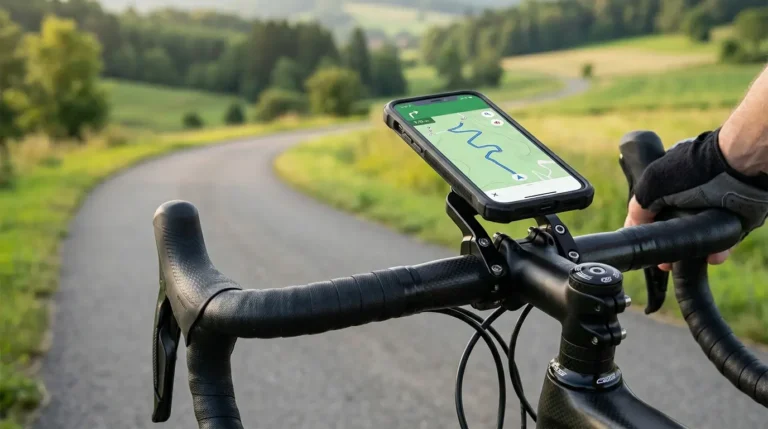
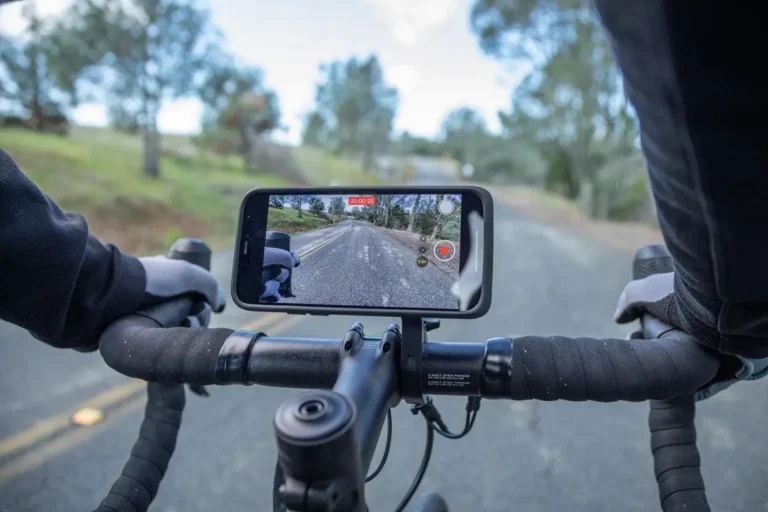
A bike computer or GPS device lets you track distance, speed, and route, which is especially useful if you’re working toward specific fitness or distance goals. A saddle bag or frame bag gives you a place to store repair essentials and small items without needing a backpack. Padded gloves or a gel seat cover can add an extra layer of comfort, particularly on longer rides. Sunglasses help with glare and keep debris out of your eyes, which matters more than people expect once you’ve ridden through a cloud of gnats at speed. And a phone mount makes navigation easier if you’re using an app rather than a dedicated GPS unit.
What Can Wait: Nice-to-Haves, Not Must-Haves
It’s easy to get pulled into buying gear built for a level of riding you’re not at yet. Power meters, aero equipment, and high-end carbon components are genuinely useful for competitive or performance-focused riders, but they’re not something a beginner needs to worry about early on. The same goes for specialized gear built for racing or extreme weather conditions well beyond what your typical rides involve.
If you’re just getting into cycling, it’s worth holding off on this category entirely until you have a clearer sense of how often you ride, what terrain you’re covering, and what specifically is missing from your setup. Spending on advanced gear before you know your own habits usually means money spent on things that end up sitting in a closet.
Final Thoughts
A solid cycling setup doesn’t require buying everything at once. Start with a properly fitted bike, cover the non-negotiable safety essentials, invest in clothing that actually makes riding comfortable, and build out your maintenance kit at home. Everything past that point can wait until your own riding habits tell you what you actually need next.
If you’re ready to dig deeper into specific categories, check out our guides on choosing cycling shoes and picking the right saddle bag for your rides.