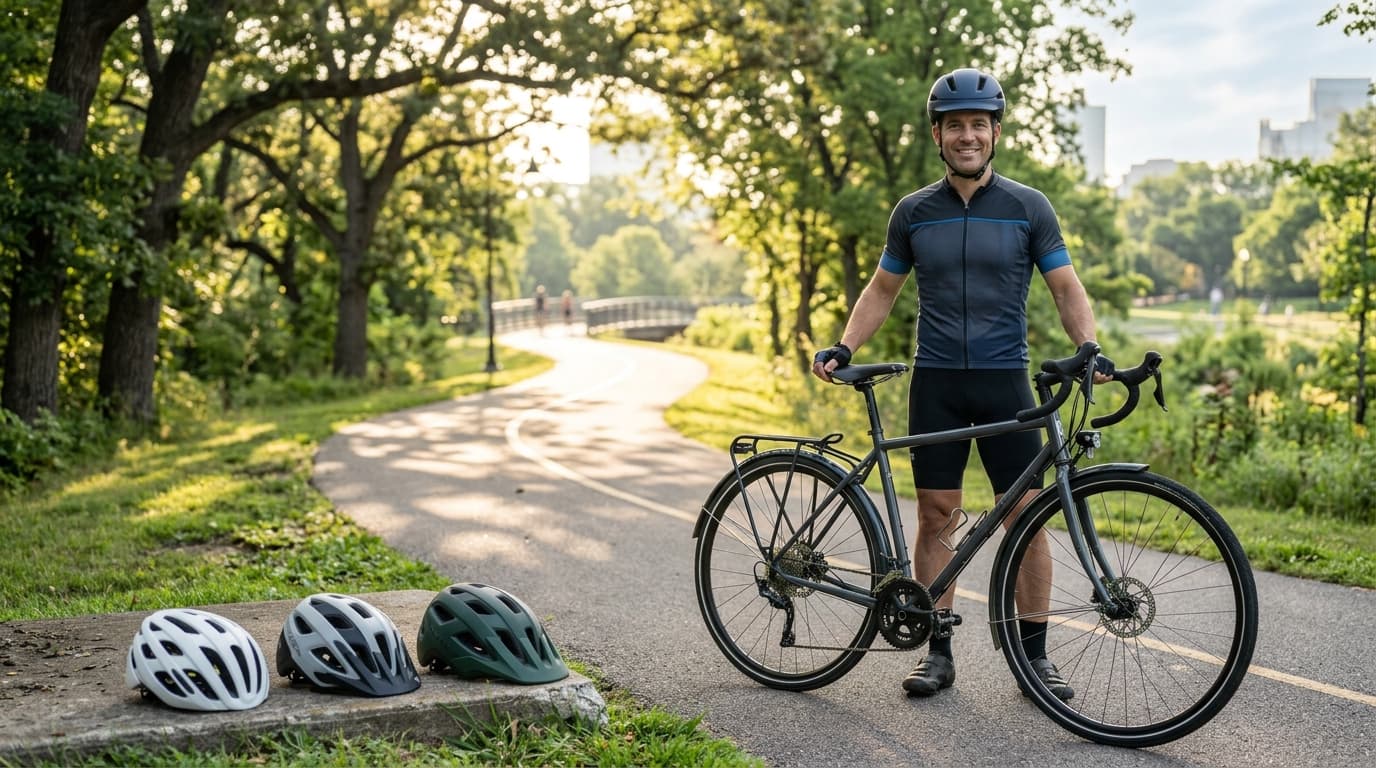
Best Bike Helmet for Men: 5 Top Picks for Comfort, Safety, and Everyday Riding
Choosing the best bike helmet for men means finding a helmet that fits securely, feels comfortable on longer rides, and provides appropriate protection for your type of cycling. Whether you commute, ride recreationally, or explore local trails, the right helmet should balance fit, ventilation, safety features, and price.
For most casual riders, a versatile helmet with an adjustable retention system, adequate ventilation, and recognized safety certification is a practical starting point. This guide compares five adult cycling helmets, including the Giro Agilis MIPS as a replacement for the Specialized Align II MIPS.
The best bike helmet for men for everyday road cycling is the Giro Isode MIPS II, thanks to its adjustable fit system, lightweight design, ventilation, and MIPS rotational impact management technology. It is particularly suitable for recreational cyclists, commuters, and riders who want a straightforward road helmet without paying premium performance-helmet prices.
The Giro Agilis MIPS is an alternative for road cyclists who want a more performance-oriented design, while the Giro Fixture II MIPS is worth considering for casual trail riding and mixed paths. The Bell Avenue MIPS and Giro Register II MIPS are additional options for everyday cycling, depending on fit, availability, and budget.
The recommendations focus on adult recreational and commuting helmets. A men’s label does not guarantee a particular fit: head shape, measured circumference, and the helmet’s size range matter more than the gender label.
Quick Comparison of the Best Bike Helmets for Men Covering Everyday Road Cycling, Commuting, and Recreational Trail Riding.
| Product | Best For | Weight Range | Adjustment Type | Key Feature | Check Price |
| Giro Isode MIPS II | Everyday road riding | Approx. 275 g, size-dependent | Roc Loc Sport dial | MIPS rotational impact management | View on Amazon |
| Giro Fixture II MIPS | Casual trail riding | Approx. 320–330 g, size-dependent | Roc Loc Sport on applicable versions | Trail-inspired coverage and MIPS | View on Amazon |
| Giro Agilis MIPS | Road fitness rides | Varies by size | Adjustable retention system | Road-oriented design with MIPS | View on Amazon |
| Bell Avenue MIPS | Recreational road cycling | Varies by size | Adjustable retention system | Road-style helmet with MIPS | View on Amazon |
| Giro Register II MIPS | Casual rides and commuting | Varies by size | Adjustable dial system | Everyday versatility | View on Amazon |
How to interpret this comparison
- For paved roads and bike paths, prioritize fit, ventilation, and a comfortable retention system.
- For unpaved paths and light trails, consider a helmet designed with more coverage toward the back of the head.
- For all riding styles, look for a recognized safety certification applicable to your country and intended use.
MIPS is a rotational impact management system intended to help reduce rotational motion in certain impacts. It is an additional helmet feature, not a guarantee against injury or a replacement for proper fit and certification.
Product Reviews: Best Bike Helmet for Men
The following reviews explain what each helmet is designed for, which features matter in practice, and what to check before buying. Product suitability depends on individual fit, so these picks are not a substitute for trying on a helmet.
1. Giro Isode MIPS II
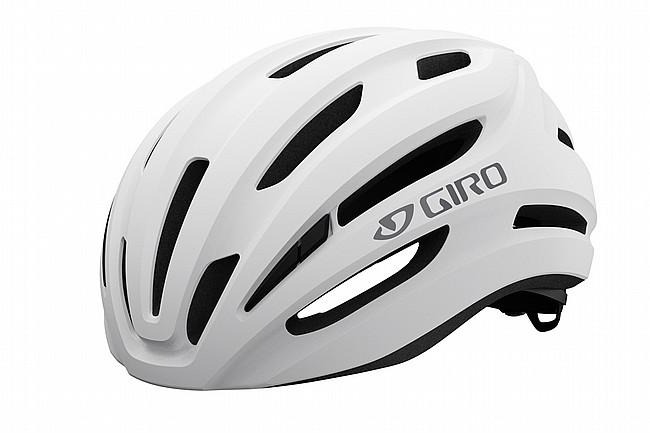
Best for everyday road riding
Best for: Men who ride on paved roads, bike paths, and recreational routes and want a practical helmet with MIPS technology.
The Giro Isode MIPS II combines a traditional road-helmet profile with an accessible adjustment system. It is designed for recreational cycling, with ventilation and a fit system intended to make adjustment straightforward.
Key Features
- MIPS Evolve Core rotational impact management system.
- Roc Loc Sport fit system with dial adjustment.
- In-mold construction combining a polycarbonate shell and impact-absorbing foam.
- Internal ventilation channels.
- Removable visor.
- CPSC-compliant design for applicable adult versions.
Pros
- Dial adjustment makes it easier to fine-tune the fit.
- Ventilation is suitable for ordinary road rides.
- MIPS technology adds a rotational impact management feature.
- Road-oriented shape works well for recreational cycling.
Cons
- The fit system may not accommodate every head shape.
- It is not a substitute for a dedicated mountain-bike helmet on technical trails.
- Some riders may prefer a lighter or more aerodynamic premium model.
Why We Recommend It
The Isode MIPS II brings together useful everyday features without making the helmet unnecessarily complicated. Its adjustable retention system and ventilation make it a reasonable starting point for a rider who wants one helmet for regular paved-road cycling.
A road.cc review of the Isode MIPS II praised its comfort, ventilation, and easy adjustment, while noting that the finish requires care.
2. Giro Fixture II MIPS
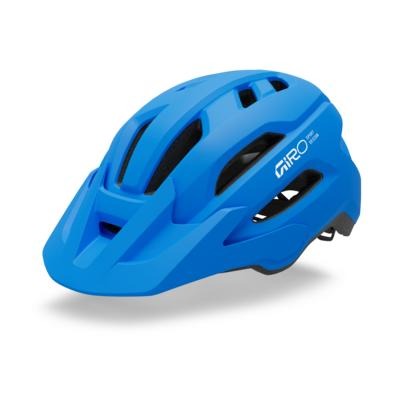
Best for casual trail riding
Best for: Recreational riders who use paved paths, gravel paths, and easy trails.
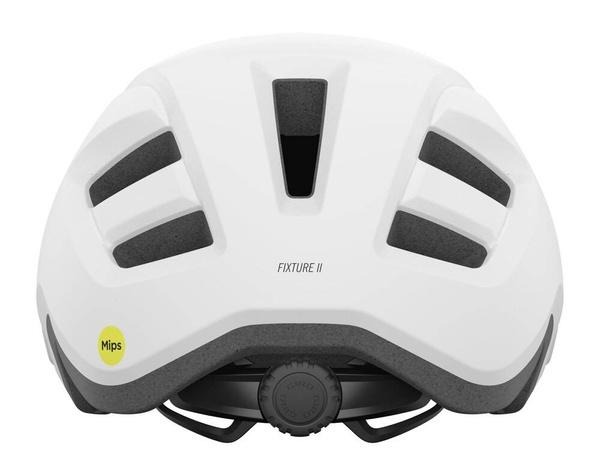
The Fixture II MIPS has a more trail-oriented shape than the Isode. Its extended rear profile and visor make it appealing to riders who prefer a mountain-bike-inspired helmet for mixed recreational use.
Key Features
- MIPS rotational impact management technology on the MIPS version.
- In-mold construction on applicable adult models.
- Roc Loc Sport fit system on applicable versions.
- Integrated visor on the standard trail-style model.
- Ventilation channels designed to encourage airflow.
- Adult sizing varies by version and market.
Pros
- Trail-inspired shape provides coverage toward the back of the head.
- MIPS is included on the MIPS version.
- Versatile for recreational cycling and commuting.
- Visor helps shade the eyes from sunlight.
Cons
- Heavier than many road-focused helmets.
- The visor and shape may not suit riders focused on road racing.
- Some versions may not fit riders with particularly small or large heads.
Why We Recommend It
The Fixture II MIPS is worth considering if your riding involves more than smooth pavement. Its design is oriented toward recreational trails and everyday cycling, making it a useful alternative to a traditional road helmet.
Make sure the listing is for the adult MIPS version, since similarly named youth and non-MIPS models may have different specifications.
3. Giro Agilis MIPS
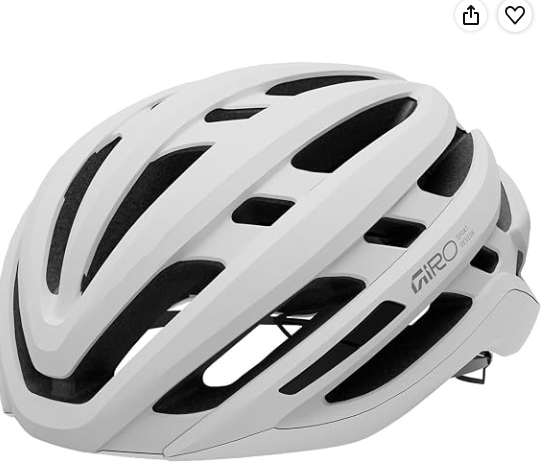
Best for road fitness rides
Best for: Riders who want a road-oriented helmet for regular fitness cycling, longer paved routes, and commuting.
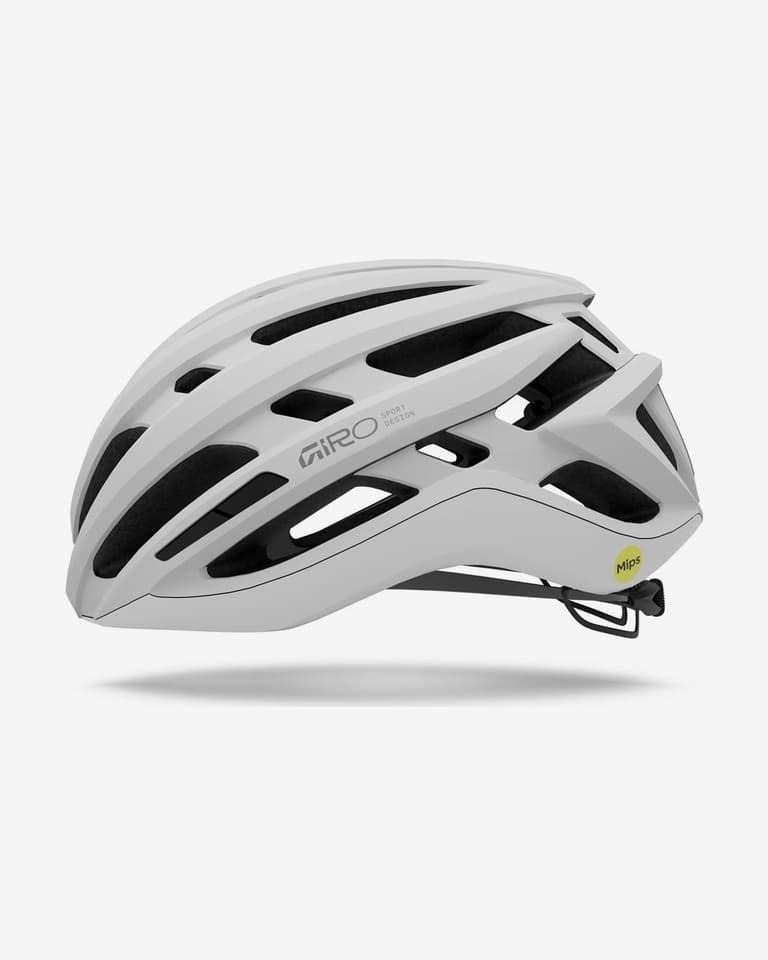
The Giro Agilis MIPS is the replacement for the Specialized Align II MIPS in this article. It has a road-focused profile and is designed for cyclists who want a combination of ventilation, adjustable fit, and rotational impact management.
The Agilis is positioned between basic recreational helmets and more expensive performance-focused road models. Its shape makes it a relevant choice for riders who spend most of their time on paved routes.
Key Features
- MIPS rotational impact management system.
- Road-oriented shell design.
- Adjustable retention system.
- Ventilation openings for airflow.
- Adult sizing and color options that vary by model year.
Pros
- Road-focused design suits fitness and recreational cycling.
- MIPS version provides rotational impact management.
- Adjustable retention system supports a more personalized fit.
- A useful option to compare with other midrange road helmets.
Cons
- Fit and comfort depend on head shape.
- May cost more than entry-level recreational helmets.
- Not intended to replace a dedicated helmet for technical mountain biking.
Why We Recommend It
The Agilis MIPS offers a distinct road-oriented alternative to the Isode MIPS II. It is worth comparing if you prefer a more performance-inspired profile for regular road rides.
The right choice between the two depends on how each helmet fits your head, how comfortable it feels, and the current price of the exact model and size.
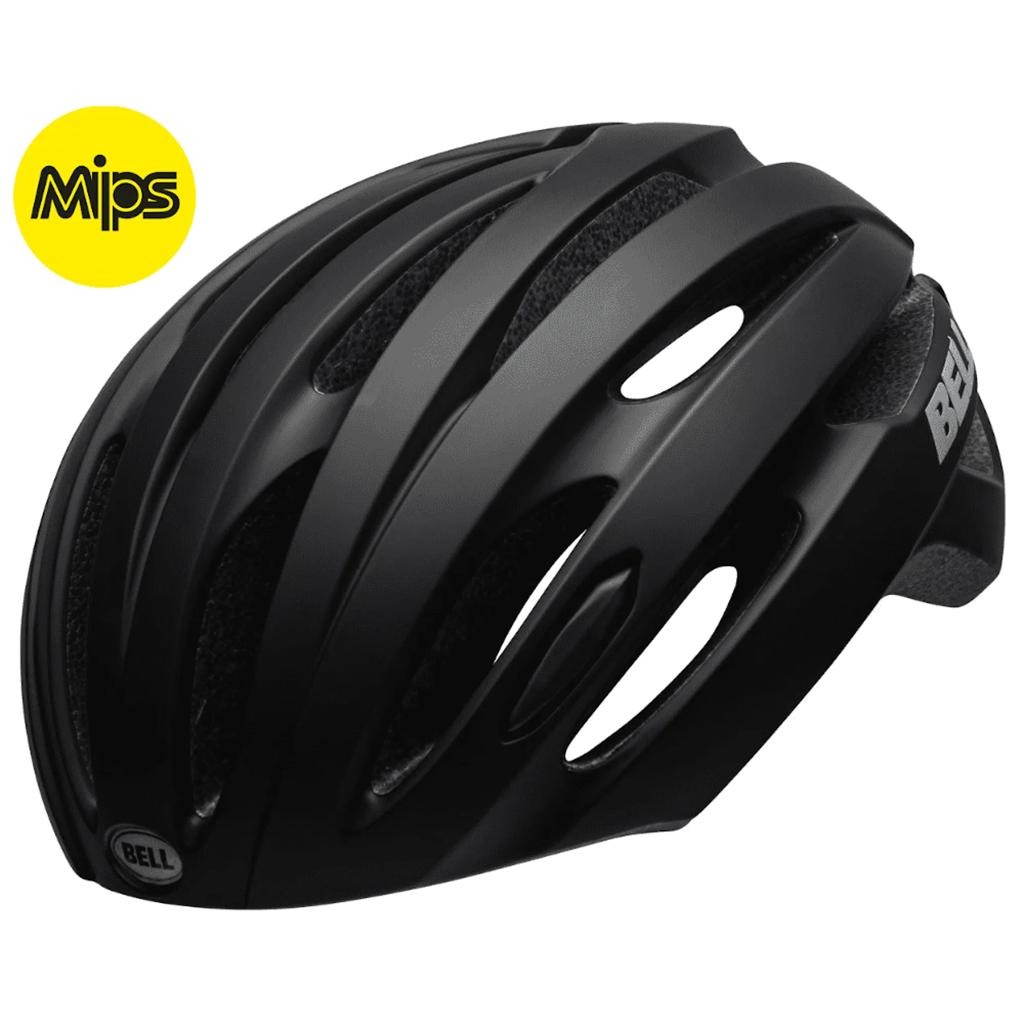
4. Bell Avenue MIPS
Best for recreational road cycling
Best for: Riders who want a road-oriented helmet for regular fitness rides and commuting.
The Bell Avenue MIPS is another road-style option worth comparing with the Isode and Agilis. It offers a conventional cycling helmet profile and MIPS technology on the appropriate version.
For shoppers, the Avenue is useful as an alternative when trying to find a helmet that fits comfortably at a price within their budget.
Key Features
- MIPS technology on the MIPS version.
- Road-oriented shape.
- Ventilation openings.
- Adjustable retention system.
- Color and size choices vary by model year.
Pros
- Suitable for ordinary road cycling and commuting.
- MIPS-equipped versions are available.
- Conventional styling works for recreational riders.
- Worth comparing with similarly priced road helmets.
Cons
- Exact weight and features depend on the version.
- Fit may differ from Giro helmets even at a similar size.
- Not designed to replace a specialized helmet for technical mountain biking.
Why We Recommend It
The Avenue MIPS gives shoppers another road-focused option to try on. Comparing it with the Isode and Agilis in person can be more useful than choosing based on brand or price alone.
Check that the exact listing includes MIPS, as product names and versions can differ.
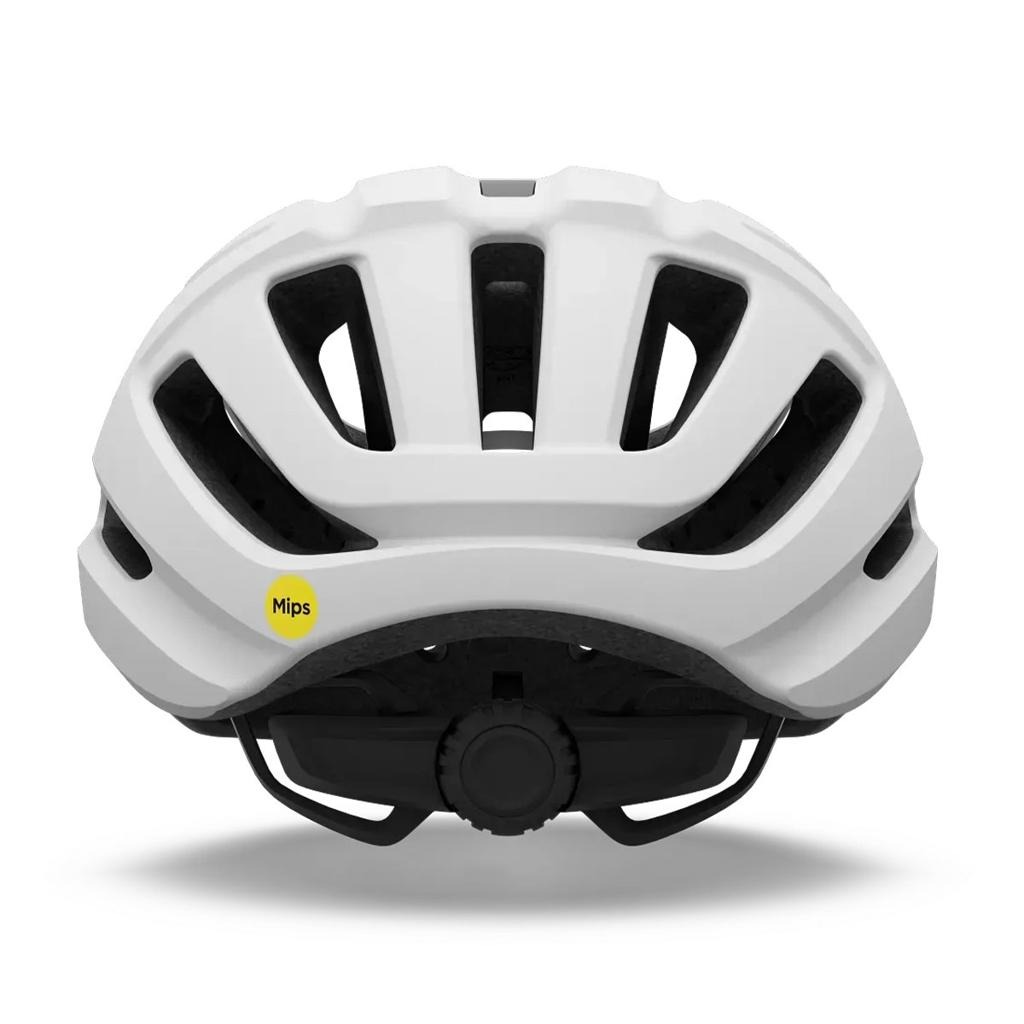
5. Giro Register II MIPS
Best for casual rides and commuting
Best for: Riders who want a versatile helmet for everyday use, including commuting and recreational cycling.
The Giro Register II MIPS is an everyday helmet option for people who want a straightforward design for regular cycling. It is a useful comparison with the Isode because both are intended for recreational use, although their styling and fit may differ.
Key Features
- MIPS-equipped versions are available.
- Adjustable retention system.
- Recreational cycling design.
- Ventilation openings.
- Adult sizing and exact construction vary by version.
Pros
- Versatile for commuting and casual riding.
- Everyday design is appropriate for recreational cyclists.
- MIPS version provides rotational impact management.
- Worth comparing with other entry-level Giro models.
Cons
- Not designed specifically for road racing.
- May not offer the extended coverage of a dedicated trail helmet.
- Confirm the precise model and safety label before buying.
Why We Recommend It
The Register II MIPS is worth considering for riders who want an uncomplicated helmet for ordinary cycling. It offers another option to compare with the Isode and Agilis, particularly if the fit or price works better for you.
Comparison Section
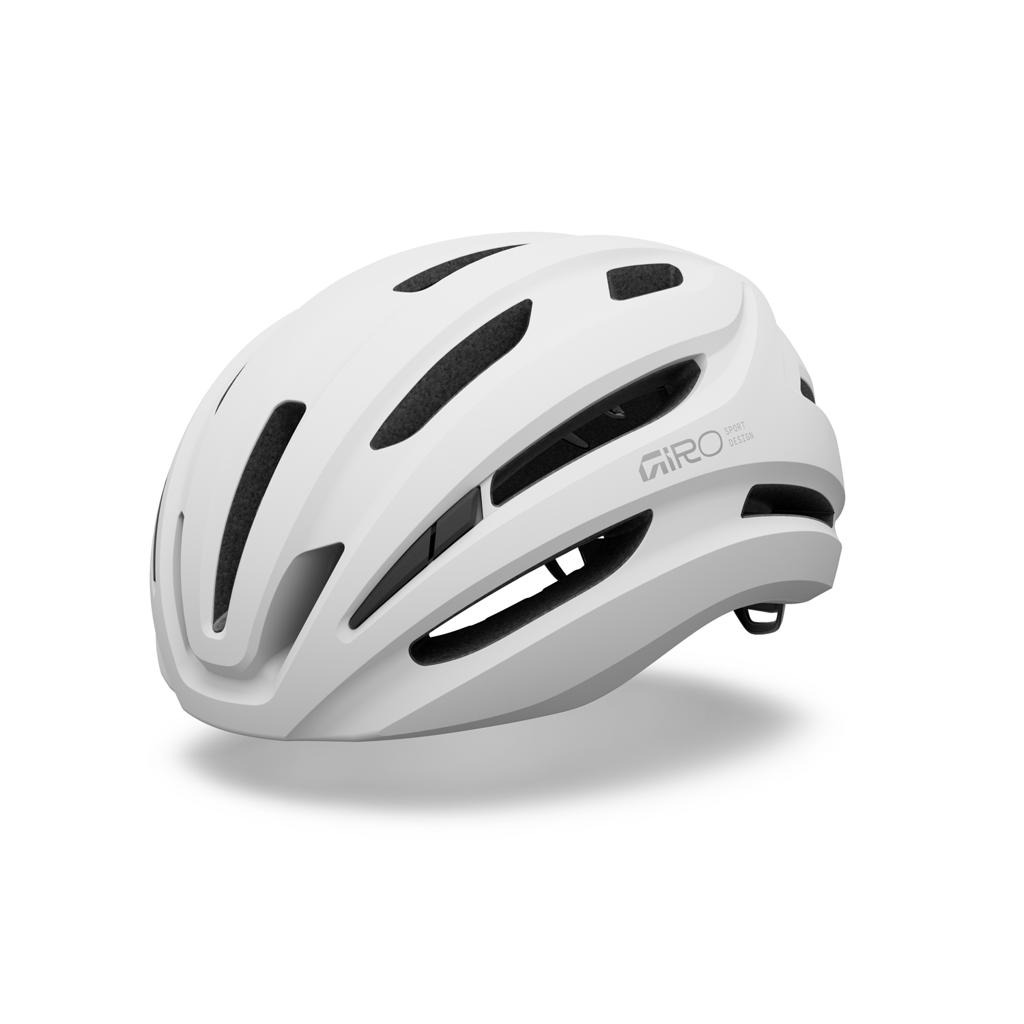
Giro Isode MIPS II vs Giro Agilis MIPS vs Giro Fixture II MIPS
These three helmets suit different types of recreational cyclists. The Isode is road-oriented and practical for everyday use, the Agilis has a more performance-inspired road design, and the Fixture is designed with trail-style coverage.
Size and Fit
A helmet should sit level on the head, with the front edge low enough to protect the forehead without obstructing vision. The retention system should hold it securely without creating uncomfortable pressure.
The Isode MIPS II uses Giro’s Roc Loc Sport fit system. The Agilis MIPS also has an adjustable retention system, while the Fixture II’s trail-inspired design may appeal to riders who prefer more rear coverage.
The exact fit depends on the helmet’s shell shape and size range. Even helmets from the same manufacturer can feel different, so compare the models in person if possible.
Adjustment Mechanism
The Isode MIPS II uses the Roc Loc Sport dial system, which allows fine adjustment of the fit.
The Agilis MIPS also uses an adjustable retention system, but buyers should confirm the specific system on the exact model and year. The Fixture II’s adjustment features can vary by version.
A dial can make it easier to fine-tune the fit, but the mechanism alone does not determine whether a helmet is suitable. The helmet should remain stable and level without excessive pressure.
Durability and Construction
The Isode MIPS II and Fixture II MIPS use in-mold construction on applicable models, combining an outer shell with an impact-absorbing foam liner.
The Agilis is also designed as a road cycling helmet with an impact-absorbing liner and an adjustable fit system. Check the manufacturer’s specifications for the exact version before purchasing.
Regardless of model, replace a helmet after a significant impact, even if the outer shell looks intact. Follow the manufacturer’s instructions for inspection, care, and replacement.
Price and Value
The Isode MIPS II is a practical road-focused option for everyday riders. The Agilis MIPS is worth considering if you prefer a performance-inspired road design, while the Fixture II MIPS may be more appropriate for recreational riders who use a mixture of paved and unpaved routes.
Prices fluctuate, and a lower price should not outweigh a poor fit or a missing safety certification. Compare the current price of the correct adult model and check whether the version includes MIPS.
Bottom line: Choose by fit and intended riding environment first, then compare price, weight, ventilation, and features.
For additional cycling gear guidance, see our related guide: Best bike helmet for women .
Buying Guide: How to Choose the Best Bike Helmet for Men
A bike helmet should be selected according to the rider’s head size, cycling environment, and comfort needs. A more expensive model is not automatically a better choice for every cyclist.
1. Weight Range
Helmet weight affects how a helmet feels during a ride, especially on longer routes. However, weight should be considered alongside fit, ventilation, coverage, and certification.
The Giro Isode MIPS II is a relatively lightweight recreational road helmet, while the Fixture II MIPS is generally heavier because of its trail-oriented design. Actual weights vary by size and model year.
What to consider:
- Casual riders: prioritize a comfortable fit and manageable weight for your usual rides.
- Commuters: consider weight alongside ventilation and visibility.
- Longer-distance road cyclists: may prefer a lighter design, provided it fits correctly and meets the required safety standard.
- Trail riders: may accept some additional weight for a design with more coverage.
There is no single weight range that makes a helmet safe for everyone. Use the manufacturer’s listed weight as a comparison point rather than the sole purchasing criterion.
2. Adjustment Mechanism
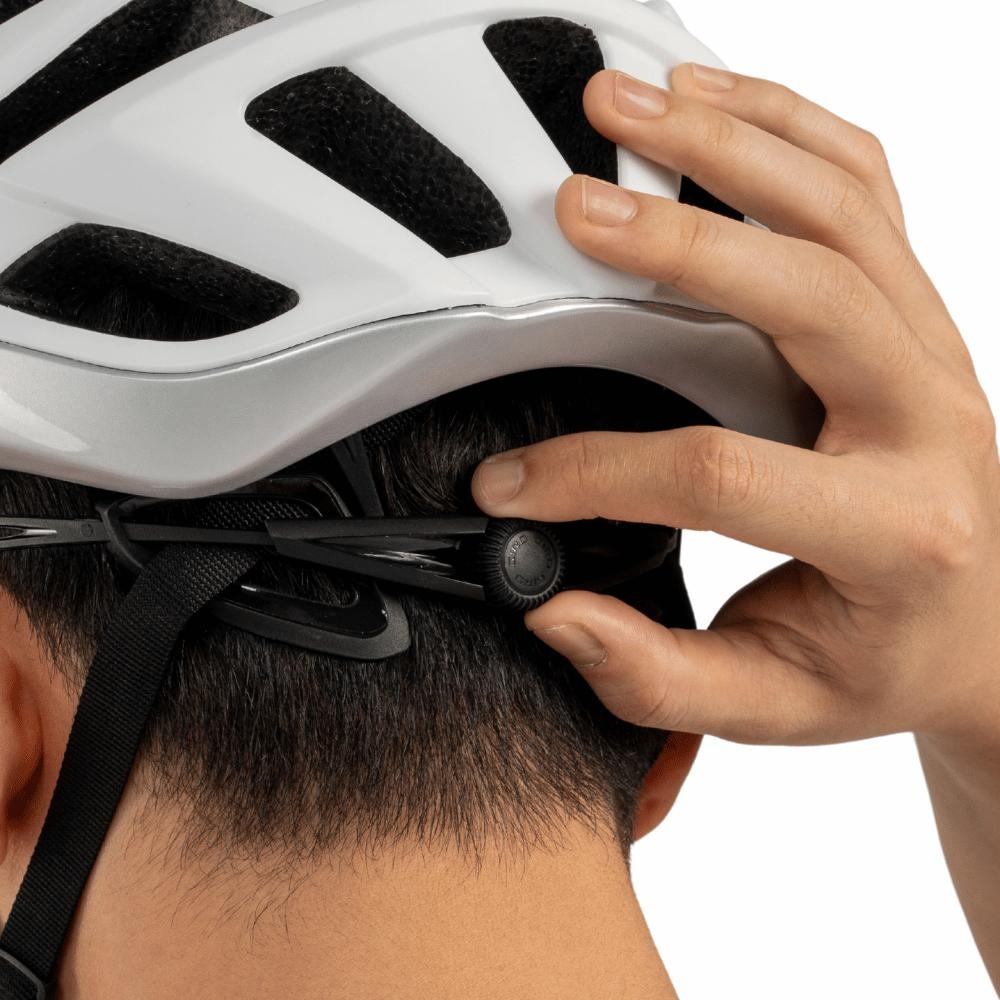
A retention system helps keep the helmet stable and properly positioned. Many adult cycling helmets use a dial or wheel at the rear of the helmet to adjust the fit.
Dial systems
Dial systems allow the wearer to tighten or loosen the rear retention cradle in small increments. The Giro Isode MIPS II uses the Roc Loc Sport system, which is designed for convenient adjustment.
Advantages include:
- Convenient adjustment.
- Easier fine-tuning during fitting.
- A secure feel when correctly adjusted.
Other retention systems
Some helmets use simpler adjustable cradles or different retention designs. A simpler system can still work well if it holds the helmet securely and is easy to adjust.
The important factor is not whether a helmet uses a dial, but whether it can be adjusted to sit level and remain stable without uncomfortable pressure.
3. Size and Storage
A helmet must match your head circumference and shape. Use a flexible measuring tape around the widest part of your head, above the eyebrows and ears, and compare the measurement with the manufacturer’s size chart.
Do not choose a helmet based only on whether it is labeled men’s, women’s, or unisex.
Before buying:
- Measure your head rather than guessing your size.
- Check the manufacturer’s size range for the exact model.
- Confirm that the retention cradle adjusts comfortably.
- Make sure the helmet remains stable when you move your head.
- Check the retailer’s return policy if you cannot try it on first.
For storage, keep your helmet in a cool, dry place away from direct sunlight, chemicals, and excessive heat. Avoid leaving it in a hot vehicle for extended periods, and do not store heavy objects on top of it.
For more compact cycling and workout gear ideas, see our guide to best home gym equipment for small spaces .
4. Durability and Materials
Most conventional bicycle helmets use an expanded polystyrene (EPS) foam liner to absorb impact energy, combined with an outer shell. In-mold construction bonds the shell and foam together during manufacturing.
When comparing construction, look for:
- A properly attached and undamaged outer shell.
- An intact foam liner without cracks or crushing.
- Secure straps and buckles.
- A retention system that adjusts smoothly.
- Manufacturer instructions for cleaning and care.
A helmet can be damaged internally during an impact even if visible damage is limited. Replace it after a significant crash and follow the manufacturer’s replacement guidance.
5. Safety Certification and MIPS
Check that the helmet meets the applicable bicycle helmet safety standard in your country. In the United States, look for compliance with the CPSC bicycle helmet standard. In Canada, check that the helmet meets applicable Canadian requirements and is intended for the type of cycling you plan to do.
MIPS is a rotational impact management system available on many helmets. It is designed to help reduce rotational motion in certain impacts, but it does not make a helmet crash-proof or eliminate the risk of injury.
Do not buy a helmet solely because it has MIPS or another branded technology. Proper fit, certification, condition, and suitability for the activity remain essential.
6. Ventilation and Riding Conditions
Ventilation affects comfort, especially during warm-weather rides or strenuous cycling. Road-oriented helmets often emphasize airflow, while some trail-oriented designs balance ventilation with additional coverage.
Consider the climate where you ride, the length of your typical trips, and whether you tend to cycle at a relaxed or vigorous pace.
A helmet that feels comfortable in a store may feel different during a longer ride, so check the return policy and follow the manufacturer’s fitting instructions before use.
FAQs
1. What is the best bike helmet for men?
The Giro Isode MIPS II is a practical option for everyday road cycling, with an adjustable fit system, ventilation, and MIPS technology. The Giro Agilis MIPS is another road-oriented option worth comparing, especially if its fit suits your head better.
2. Are men’s and women’s bike helmets different?
Many adult bike helmets are unisex, and some models are marketed specifically toward men or women. The most important considerations are head circumference, head shape, fit, and comfort rather than the gender label.
3. Is MIPS worth considering in a bike helmet?
MIPS is designed to help manage rotational motion in certain impacts. It is a useful feature to compare, but it does not guarantee protection from injury or replace proper fit and safety certification.
4. How often should I replace my bike helmet?
Replace a helmet after a significant impact, even if there is no obvious damage. For ordinary wear, follow the manufacturer’s inspection and replacement guidance, since materials, use, and storage conditions can affect its condition.
5. How should a bike helmet fit?
A properly fitted helmet should sit level on your head, cover the forehead, and remain stable when you move your head. The straps should form a secure fit around your ears and under your chin without being excessively tight.
6. Can I use a road helmet for mountain biking?
A road helmet may be suitable for some smooth, nontechnical paths, but it may not provide the coverage or features intended for mountain biking. For trails, choose a helmet specifically designed and certified for your intended riding conditions.
Final Verdict
For everyday road cycling, the Giro Isode MIPS II is a versatile starting point thanks to its adjustable fit system, ventilation, and rotational impact management technology.
The Giro Agilis MIPS replaces the Specialized Align II MIPS in this comparison and is worth considering for riders who prefer a more performance-inspired road design. The Giro Fixture II MIPS is an alternative for recreational riders who prefer a trail-oriented shape.
The Bell Avenue MIPS and Giro Register II MIPS round out the list with additional everyday cycling options.
Before purchasing, measure your head, check the exact model’s certification and size range, and choose the helmet that fits securely and comfortably. Safety, fit, and suitability for your riding conditions should take priority over brand, appearance, or price.