Best Bike Helmet for Toddler: 5 Top Picks for Safety, Comfort, and Fit (2026)
Finding the best bike helmet for a toddler means choosing a helmet that fits securely, meets recognized safety standards, and feels comfortable enough for everyday rides. Whether your child is riding a balance bike, cruising on a tricycle, or joining you in a bike trailer, the right helmet is an essential part of cycling safety.
For this comparison on WorkoutGearReviews.com, we look at five toddler and children’s helmets: the Giro Scamp II MIPS, Retrospec Scout, Joovy Noodle, ABUS Smiley 3.0, and Bell Sidetrack. Each offers a different combination of sizing, adjustment, design, and price.
Our goal is to help parents compare practical features, understand what matters for toddler safety, and find a helmet suited to their child’s head size and riding activities.
The best bike helmet for a toddler should have a secure, adjustable fit, appropriate safety certification, and a design suited to a young child’s head. The Giro Scamp II MIPS is our leading all-around option to consider, thanks to its toddler-friendly sizing, adjustable fit system, and availability in a version with MIPS rotational-impact management technology.
For alternatives, the ABUS Smiley 3.0 is worth considering for its extended coverage and child-oriented design, while the Bell Sidetrack offers a sportier option for young riders. The Retrospec Scout and Joovy Noodle are budget-oriented alternatives for families looking for straightforward recreational cycling helmets.
The best choice depends on your child’s measured head circumference, head shape, the helmet’s certification, and whether it fits securely without shifting.
Quick Comparison of the Best Bike Helmets for Toddlers.
The five options below include two updated selections: the ABUS Smiley 3.0 and Bell Sidetrack II. The Bell is included as a comparison option, but its manufacturer lists US CPSC certification for ages five and older. Parents of younger toddlers should verify the exact model’s certification and local suitability before considering it.
| Product | Best For | Weight | Adjustment Type | Key Feature | Check Price |
| Giro Scamp II MIPS | All-around toddler cycling | Varies by size/version | Rear fit dial | MIPS option | View on Amazon |
| Retrospec Scout | Budget-conscious families | Varies by model | Rear dial on applicable versions | Affordable recreational design | View on Amazon |
| Joovy Noodle | Everyday recreational riding | Varies by model | Rear dial | Lightweight design | View on Amazon |
| ABUS Smiley 3.0 | Younger riders and extended coverage | 220 g (S); 240 g (M) | Zoom Spin dial | Deep fit, washable pads | View on Amazon |
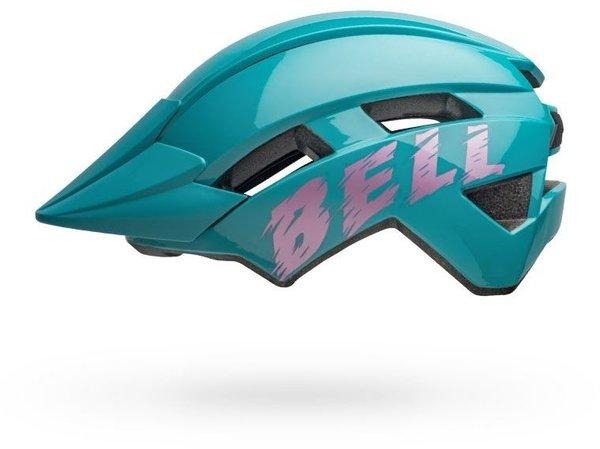
| Bell Sidetrack II | Older children and trail riding | 360 g (youth size, MIPS version) | Ergo Fit dial | MIPS option, removable visor | View on Amazon |
Weights are manufacturer-listed figures for the specified versions and sizes; they are not directly comparable across all sizes.
Product Reviews:Best Bike Helmets for Toddlers.
1. Giro Scamp II MIPS
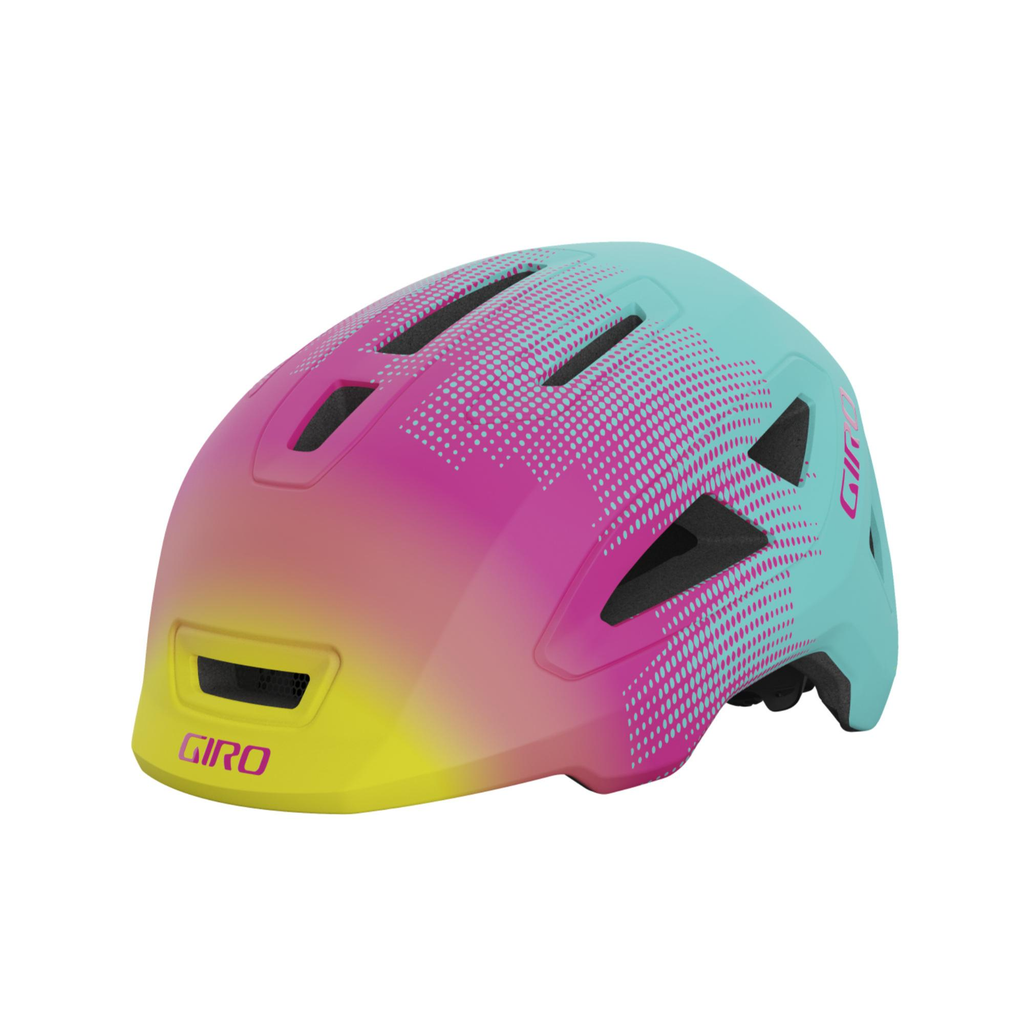
Best for: Toddlers riding balance bikes, tricycles, and joining family cycling outings.
The Giro Scamp II MIPS is a versatile helmet to consider for families who want a combination of toddler-friendly sizing and convenient adjustments. The extra-small size is particularly useful for children with smaller heads, while the MIPS version adds a rotational-impact management system.
The Scamp II is designed for recreational cycling and has a relatively compact shape. Its rear profile may also be more comfortable in certain child bike seats and trailers, although compatibility should always be checked with the seat or trailer manufacturer.
Key Features
- In-mold construction with an impact-absorbing foam liner.
- Rear fit adjustment system.
- MIPS-equipped version available.
- Toddler-friendly sizing, depending on version.
- Visor and extended coverage features.
Pros
- Extra-small sizing is useful for some younger riders.
- Adjustable retention system helps establish a secure fit.
- Lightweight design compared with many larger children’s trail helmets.
- MIPS option for parents who want rotational-impact technology.
- Suitable for a range of recreational cycling activities.
Cons
- MIPS-equipped versions generally cost more.
- Fit depends on head shape, not just circumference.
- Some versions may feel shallow on children with taller head shapes.
Why We Recommend It
The Giro Scamp II MIPS remains a practical all-around choice because it combines sizing options, fit adjustment, and a design suited to recreational cycling.
For toddlers, prioritize the correct size and a secure fit. MIPS is an additional feature rather than a substitute for certification or correct positioning.
2. Retrospec Scout
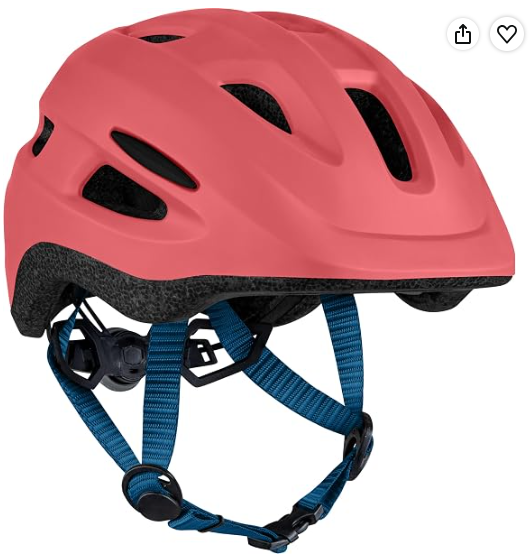
Best for: Families looking for an economical helmet for everyday recreational cycling.
The Retrospec Scout is a budget-oriented helmet with an adjustable design. It is worth comparing for children who ride balance bikes, tricycles, or bicycles in parks and quiet neighborhood settings.
Retrospec has offered different sizes and versions, so confirm the current model’s specifications and certification rather than assuming every Scout listing is identical.
Key Features
- Adjustable fit system on applicable versions.
- Protective foam construction.
- Multiple color options.
- Designed for recreational cycling.
- Children’s sizing options.
Pros
- Typically positioned in the budget category.
- Adjustment features help parents establish a secure fit.
- Simple design for everyday recreational use.
- Available in different styles.
Cons
- Standard versions do not include MIPS.
- Features can vary between generations.
- Exact toddler sizing and certification must be confirmed.
Why We Recommend It
The Scout is worth considering when affordability is important. A properly fitted helmet that meets the applicable standard is more useful than an expensive helmet that does not fit.
Check the exact model label and sizing chart before purchasing, especially for a toddler with a smaller head.
3. Joovy Noodle 
Best for: Families looking for a straightforward helmet for balance bikes and short recreational rides.
The Joovy Noodle is designed for younger riders and emphasizes a lightweight construction, adjustable fit, and coverage around the back of the head.
It is an option to compare for toddlers who are beginning to explore cycling. As with any children’s helmet, verify the specific model’s size range and certification before ordering.
Key Features
- Lightweight construction.
- Rear adjustment dial on applicable versions.
- Extended rear coverage.
- Multiple color options.
- Recreational cycling design.
Pros
- Affordable option for families.
- Adjustable fit can help with positioning.
- Straightforward design.
- Suitable for everyday cycling when correctly fitted.
Cons
- Standard versions do not include MIPS.
- Premium comfort features may be limited.
- Specifications can vary between listings.
Why We Recommend It
The Joovy Noodle is a practical option for parents who want a simple helmet for routine rides. Its value depends on getting the right fit and confirming the safety label for the exact model.
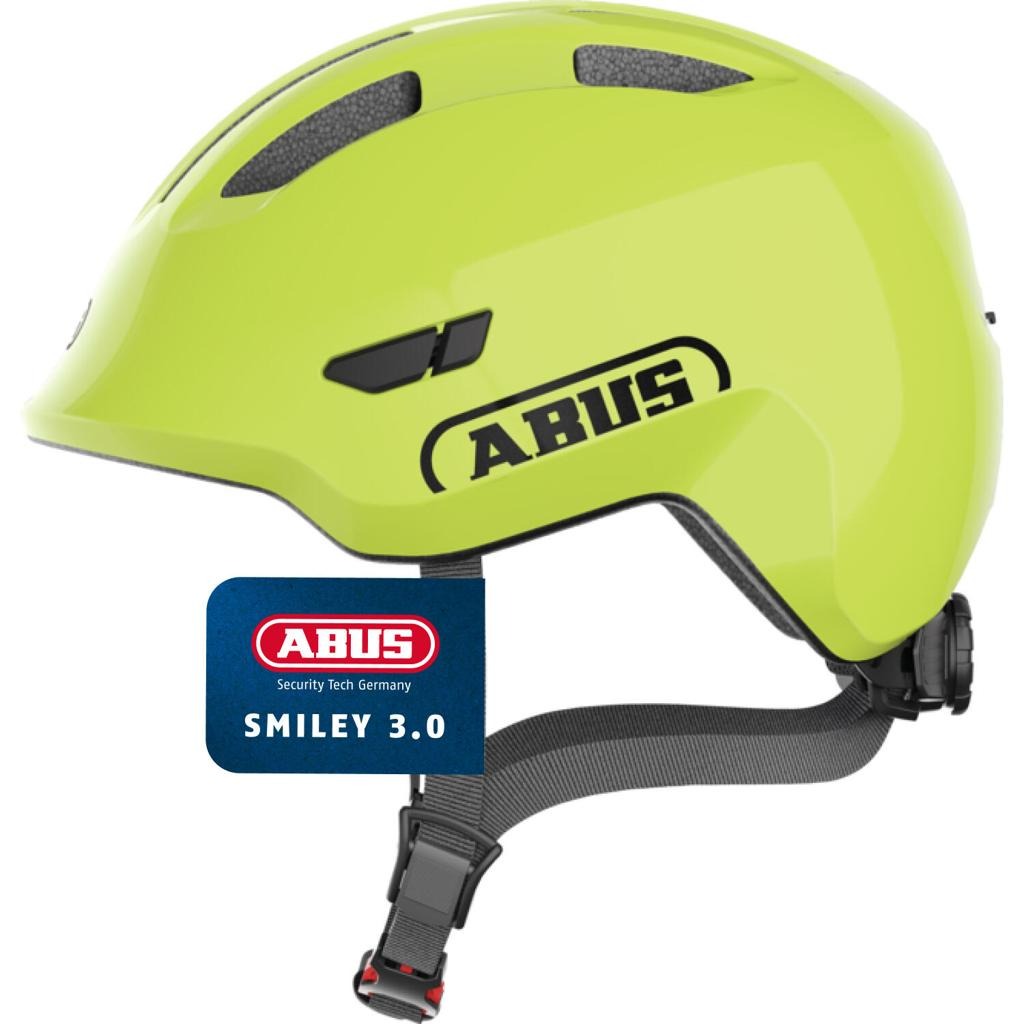
4. ABUS Smiley 3.0 
Best for: Toddlers learning to ride a balance bike or tricycle, especially families who want extended head coverage and easy adjustment.
The ABUS Smiley 3.0 is designed specifically for small children beginning their cycling journey. ABUS describes it as suitable for balance bikes, tricycles, and children’s first bicycles.
One of its distinguishing features is its deep fit and visor-like front edge, which are designed to provide additional coverage. The rear adjustment system can be adjusted in width and height, helping parents position the helmet around the child’s head.
Key Features
- Zoom Spin rear adjustment system.
- Deep-fitting design with extended rear coverage.
- In-mold construction combining EPS foam and a polycarbonate shell.
- Reflector stickers and integrated bug mesh.
- Removable, washable comfort pads.
- Ponytail-friendly adjustment design.
The standard Smiley 3.0 is not a MIPS helmet. ABUS also sells a Smiley 3.0 LED version, which includes a rear light. The standard model’s rear light is an optional accessory rather than an included feature.
Pros
- Designed specifically for young children.
- Deep coverage around the back of the head.
- Rear dial adjusts both width and height.
- Removable, washable padding helps with routine cleaning.
- Reflective details add visibility.
Cons
- The standard version does not include MIPS.
- The rear light is optional on the standard model.
- The medium size may be too large for smaller toddlers.
Why We Recommend It
The ABUS Smiley 3.0 is a particularly relevant alternative to the Specialized Mio 2 because it is built around the needs of younger cyclists rather than simply being a smaller adult-style helmet.
Its small size covers approximately 45–50 cm and weighs about 220 g. The medium size covers approximately 50–55 cm and weighs about 240 g, according to ABUS’s Canadian product specifications.
This makes it worth considering for parents who want deep coverage, practical fit adjustment, and washable padding.
5. Bell Sidetrack II 
Best for older children
Best for: Older children who ride on trails and need a sportier helmet with additional coverage.
The Bell Sidetrack II is a children’s all-mountain helmet with a removable visor, adjustable fit system, and sport-oriented design. The MIPS version includes MIPS Evolve, which is designed to help reduce rotational forces during certain impacts.
An important consideration for this article is that Bell lists the Sidetrack II’s US CPSC certification as applying to persons aged five and older. Although the manufacturer provides a Universal Toddler size range of 45–52 cm, the age certification must still be considered. Parents should not assume that a toddler-sized label means the helmet is certified for every toddler or for use in every jurisdiction.
Key Features
- MIPS Evolve on the MIPS version.
- Ergo Fit adjustable retention system.
- Removable visor.
- No-Twist Tri-Glides for strap positioning.
- Sweat Guide padding.
- Toddler, child, and youth size categories listed by Bell.
Pros
- MIPS version offers rotational-impact management technology.
- Adjustable dial helps fine-tune the fit.
- Removable visor adds versatility for trail riding.
- Sport-oriented coverage.
- Strap adjustment features help keep webbing positioned.
Cons
- The listed US CPSC certification is for ages five and older.
- Heavier than many simple toddler-specific helmets.
- Trail-oriented features may be unnecessary for toddlers riding in a driveway or on a balance bike.
Why We Recommend It
The Bell Sidetrack II is a useful comparison for families shopping for an older child or planning ahead for trail riding. It should not automatically be treated as a suitable replacement for a toddler helmet simply because Bell lists a toddler size.
For children under five, verify the exact model’s certification and suitability with the manufacturer or an authorized local retailer before purchasing.
Comparison – Giro Scamp II MIPS vs ABUS Smiley 3.0 vs Bell Sidetrack II
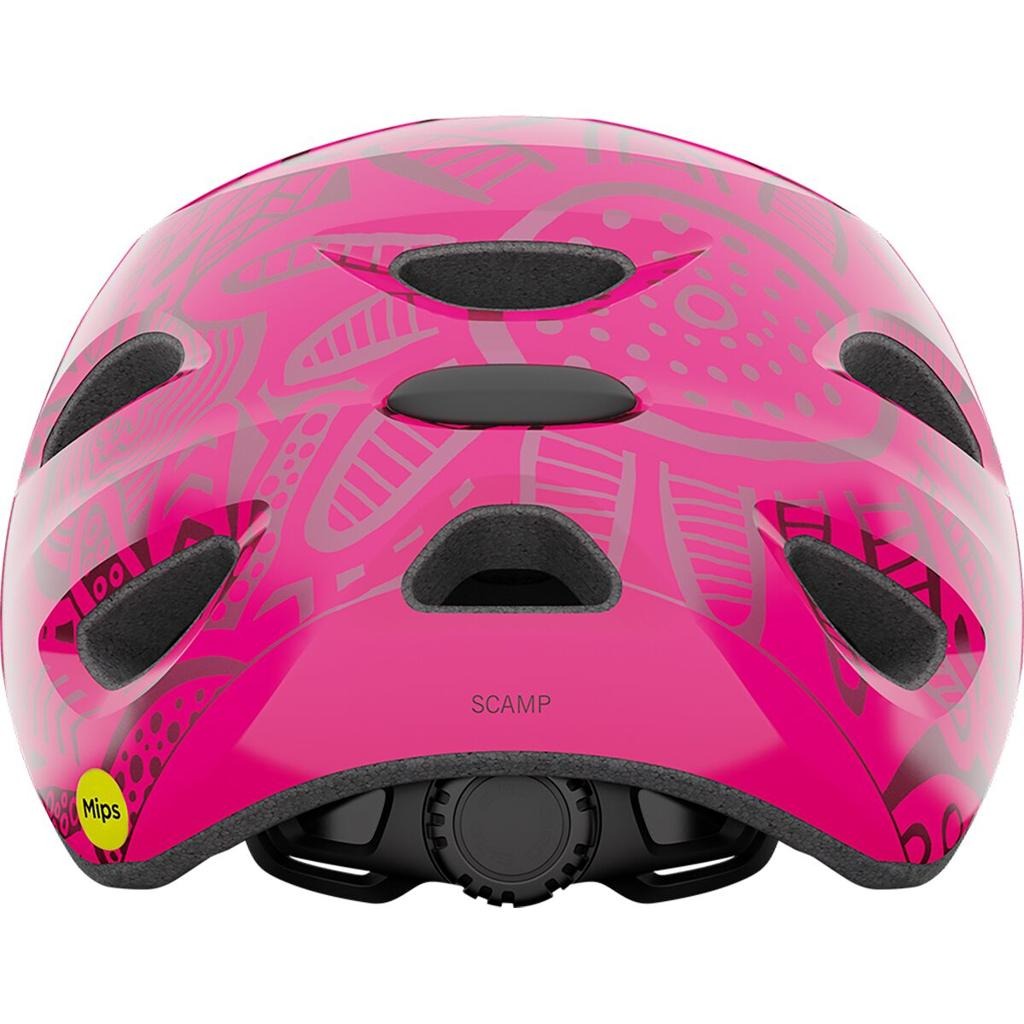
The Giro Scamp II MIPS, ABUS Smiley 3.0, and Bell Sidetrack II illustrate three different approaches to children’s cycling helmets.
The Giro focuses on versatile recreational use and MIPS availability. The ABUS emphasizes toddler-specific coverage and adjustability. The Bell is oriented more toward trail riding and older children.
Size and Fit
The ABUS Smiley 3.0 is available in a small size covering approximately 45–50 cm and a medium size covering 50–55 cm. Its adjustment system accommodates changes in both width and height at the back of the head.
The Bell Sidetrack II lists a toddler range of 45–52 cm, but the manufacturer’s US certification specifies ages five and older. That distinction matters: size range alone does not establish that a helmet is suitable for a particular toddler.
The Giro Scamp II is worth considering for families looking for a compact recreational helmet with extra-small sizing and MIPS availability.
In all cases, measure the child’s head and try the helmet on if possible. A helmet that fits one toddler comfortably may not fit another with the same circumference.
Adjustment Mechanism
| Feature | Giro Scamp II MIPS | ABUS Smiley 3.0 | Bell Sidetrack II |
| Fit system | Rear fit adjustment | Zoom Spin dial | Ergo Fit dial |
| Strap adjustment | Adjustable straps | Flap Divider | No-Twist Tri-Glides |
| Main design focus | Recreational cycling | Small children | Trail and all-mountain riding |
| MIPS | Available on selected version | No | Available on selected version |
The ABUS is especially notable for its height-adjustable rear fit system and ponytail-friendly design. The Bell uses an easy-to-turn adjustment dial, while the Giro offers a practical retention system for everyday use.
Durability and Protection
All three helmets use impact-absorbing foam construction, but their additional features differ.
The ABUS Smiley 3.0 uses an in-mold construction process that bonds EPS foam to a polycarbonate outer shell. Bell’s Sidetrack II MIPS includes MIPS Evolve, while selected Giro Scamp II versions include MIPS technology.
MIPS is designed to help manage certain rotational motions during angled impacts. It does not guarantee that a wearer will avoid injury, and it does not replace the need for a certified, correctly fitted helmet.
Price and Value
Prices vary considerably by retailer, size, color, and model year. The ABUS Smiley 3.0 is available in standard and LED versions, while the Bell Sidetrack II has standard and MIPS versions.
When comparing prices, account for:
- Whether the listed price is for the correct size.
- Whether MIPS is included.
- Whether a rear light or other accessory is included or sold separately.
- Shipping, taxes, and return costs.
- Whether the helmet is certified for your child’s age and intended activity.
Which Differences Matter Most?
For a toddler beginning to ride a balance bike, a toddler-specific design and a secure fit are particularly important. The ABUS Smiley 3.0 is designed for this type of use.
For a family that wants a recreational helmet with an available MIPS version, the Giro Scamp II is worth comparing.
For an older child riding trails, the Bell Sidetrack II offers features more closely associated with all-mountain cycling. However, the manufacturer’s age certification should be checked before use.
For related reading, explore our home gym equipment guides for more practical equipment comparisons.
Buying Guide: How to Choose the Right Bike Helmet for a Toddler
A toddler’s helmet should be selected based on head circumference, fit, safety certification, and intended use. Features such as MIPS, reflective details, and adjustment systems can be useful, but none compensates for a helmet that is the wrong size.
1. Head Size and Fit
Head circumference is the best starting point when choosing a toddler helmet.
To measure your child’s head:
- Use a flexible measuring tape.
- Wrap it around the widest part of the head, just above the eyebrows and ears.
- Keep the tape level around the back of the head.
- Record the measurement in centimeters.
- Compare it with the exact manufacturer’s sizing chart.
For example, the ABUS Smiley 3.0 small covers approximately 45–50 cm, while the medium covers 50–55 cm. These are overlapping ranges, so the child’s actual head shape and the helmet’s fit must also be considered.
Once the helmet is on:
- Position it level on the head, covering the forehead.
- Adjust the retention system so the helmet sits snugly without discomfort.
- Position the straps in a V beneath each ear.
- Fasten the chin strap securely.
- Gently move the helmet from side to side and front to back. It should not slide freely.
Do not purchase a helmet that is too large on the assumption that your child will grow into it.
2. Safety Certification
Safety certification is more important than price, brand, or decorative features.
In Canada, look for an approved bicycle helmet safety label and confirm that the certification applies to the exact model and intended activity. Recognized standards include CSA and CPSC, among others identified by the Canadian Paediatric Society.
For toddler helmets, pay particular attention to the manufacturer’s age designation.
The Bell Sidetrack II is a useful example: although Bell lists a toddler size, its US CPSC certification specifies persons aged five and older. Parents should verify local certification and manufacturer guidance rather than relying on the size label alone.
Avoid used helmets with unknown impact histories, and replace helmets after a significant impact or when the manufacturer recommends replacement.
3. MIPS and Other Rotational-Impact Technologies
MIPS stands for Multi-directional Impact Protection System. It is designed to help manage certain rotational motions that can occur during angled impacts.
Some versions of the Giro Scamp II and Bell Sidetrack II include MIPS, while the standard ABUS Smiley 3.0 does not.
When comparing these features:
- MIPS is an additional protective technology, not a guarantee against injury.
- A poorly fitted MIPS helmet is not a suitable choice simply because it has the technology.
- A non-MIPS helmet can still meet an applicable bicycle helmet safety standard.
- Compare the exact model, certification, and fit rather than relying on a marketing label.
Parents should prioritize correct fit and certification first, then consider additional technologies.
4. Adjustment Mechanism and Buckles
A helmet with an easy-to-adjust fit system can simplify daily use.
Rear dials allow parents to fine-tune the fit, while adjustable straps help position the helmet securely beneath the ears and around the chin.
The ABUS Smiley 3.0 uses a Zoom Spin adjustment system, while the Bell Sidetrack II uses Ergo Fit. Both are designed to make fit adjustments easier.
Look for:
- A retention system that stays securely in place.
- Straps that are easy to adjust.
- A buckle that fastens securely.
- Comfortable padding that does not interfere with the fit.
Always check the buckle and chin strap before each ride.
5. Size, Weight, and Comfort
A helmet should be comfortable enough for your child to wear throughout a normal ride.
The ABUS Smiley 3.0 weighs approximately 220 g in size S and 240 g in size M. The Bell Sidetrack II MIPS is listed at 360 g in youth size, so the figures should not be compared without considering the size and model differences.
For toddlers, consider:
- A lightweight design that does not shift around.
- Adequate ventilation for warm-weather rides.
- Padding that feels comfortable against the head.
- A rear profile that works with the child’s bike seat or trailer.
If using a child bike seat or trailer, follow its manufacturer’s instructions and ensure the helmet does not push the child’s head into an uncomfortable position.
6. Durability and Replacement
Look for a sturdy outer shell, intact impact-absorbing foam, reliable straps, and a retention system that holds its adjustment.
Inspect the helmet regularly for:
- Cracks or damage to the shell.
- Crushed or damaged foam.
- Worn straps or buckles.
- Loose adjustment components.
Replace the helmet after a significant impact, even if visible damage is not obvious. Follow the manufacturer’s cleaning, storage, and replacement instructions.
The ABUS Smiley 3.0 has removable, washable pads, which can be helpful for maintaining comfort and cleanliness during frequent use.
7. Visibility and Riding Conditions
Bright colors, reflective details, and suitable lighting can help make children more noticeable during family cycling outings.
The standard ABUS Smiley 3.0 includes reflector stickers, while the Smiley 3.0 LED version includes a rear light. The standard version’s rear light is an optional accessory.
Reflective details and helmet lights do not replace appropriate bicycle lighting, supervision, or safe riding conditions.
For young children, choose suitable riding locations and ensure the helmet does not interfere with their vision or hearing.
FAQs
1. What is the best bike helmet for a toddler?
The Giro Scamp II MIPS is a versatile option for recreational cycling, while the ABUS Smiley 3.0 is specifically designed for younger children. The best choice depends on your child’s measured head circumference, head shape, and the helmet’s certification.
2. What size bike helmet does a 2-year-old need?
Many toddler helmets cover head circumferences around 45–51 cm, but there is no universal size for a 2-year-old. Measure your child’s head and compare it with the manufacturer’s sizing chart. Age alone is not a reliable way to choose a helmet.
3. Is MIPS necessary for a toddler bike helmet?
MIPS is not a universal requirement for bicycle helmet certification. It is designed to help manage rotational motion during certain angled impacts. A correctly fitted, certified helmet is essential whether or not it includes MIPS.
4. Is the ABUS Smiley 3.0 suitable for toddlers?
The ABUS Smiley 3.0 is designed for small children learning to ride balance bikes, tricycles, and their first bicycles. Its small size covers approximately 45–50 cm, making it worth considering for toddlers whose measurements fall within that range.
5. Is the Bell Sidetrack II suitable for a 2-year-old?
Do not assume it is suitable solely because Bell lists a toddler size. Bell specifies US CPSC certification for persons aged five and older, so parents should verify the exact model’s certification and suitability with the manufacturer or an authorized local retailer before purchasing for a younger child.
6. How often should I replace my toddler’s bike helmet?
Replace a helmet after a significant impact, when it is damaged, or when your child outgrows its size range. Follow the manufacturer’s recommendations for service life, storage, and replacement.
Final Verdict
For families shopping for the best bike helmet for a toddler, fit, certification, and comfort should come before brand or price.
- Giro Scamp II MIPS: A versatile recreational cycling option with toddler-friendly sizing and MIPS availability.
- ABUS Smiley 3.0: A toddler-specific alternative with deep coverage, adjustable sizing, and washable padding.
- Retrospec Scout: A budget-oriented option worth considering after checking the exact model’s certification and fit.
- Joovy Noodle: A straightforward recreational helmet for families comparing affordable options.
- Bell Sidetrack II: More appropriate to consider for older children and trail riding, subject to its age certification.
The ABUS Smiley 3.0 is the most directly toddler-focused addition to this revised comparison. The Bell Sidetrack II provides a useful alternative for older children, but parents should verify age certification before choosing it for a toddler.