What to Carry on Long Bike Rides: The Complete Packing Guide
There’s a specific kind of misery that comes from being thirty miles from home with a flat tire and no way to fix it. Or running out of water on a hot afternoon with no store in sight. Long bike rides have a way of exposing exactly what you forgot to pack, usually at the worst possible moment. The good news is that a well-thought-out kit doesn’t need to be huge or heavy. It just needs to cover the right categories.
This guide walks through what actually belongs in your bag on a long ride, from repair essentials to food to the small comfort items that make a big difference over several hours in the saddle. The goal isn’t to convince you to carry everything on this list every single time. It’s to help you understand what each category covers so you can pack smart based on how long and how remote your ride actually is.
Flat Tire and Repair Kit
This is the one category that’s genuinely non-negotiable, regardless of how long your ride is. A flat tire is one of the most common things that can go wrong on a bike, and it’s also one of the easiest problems to solve if you’re prepared, or one of the most frustrating if you’re not.
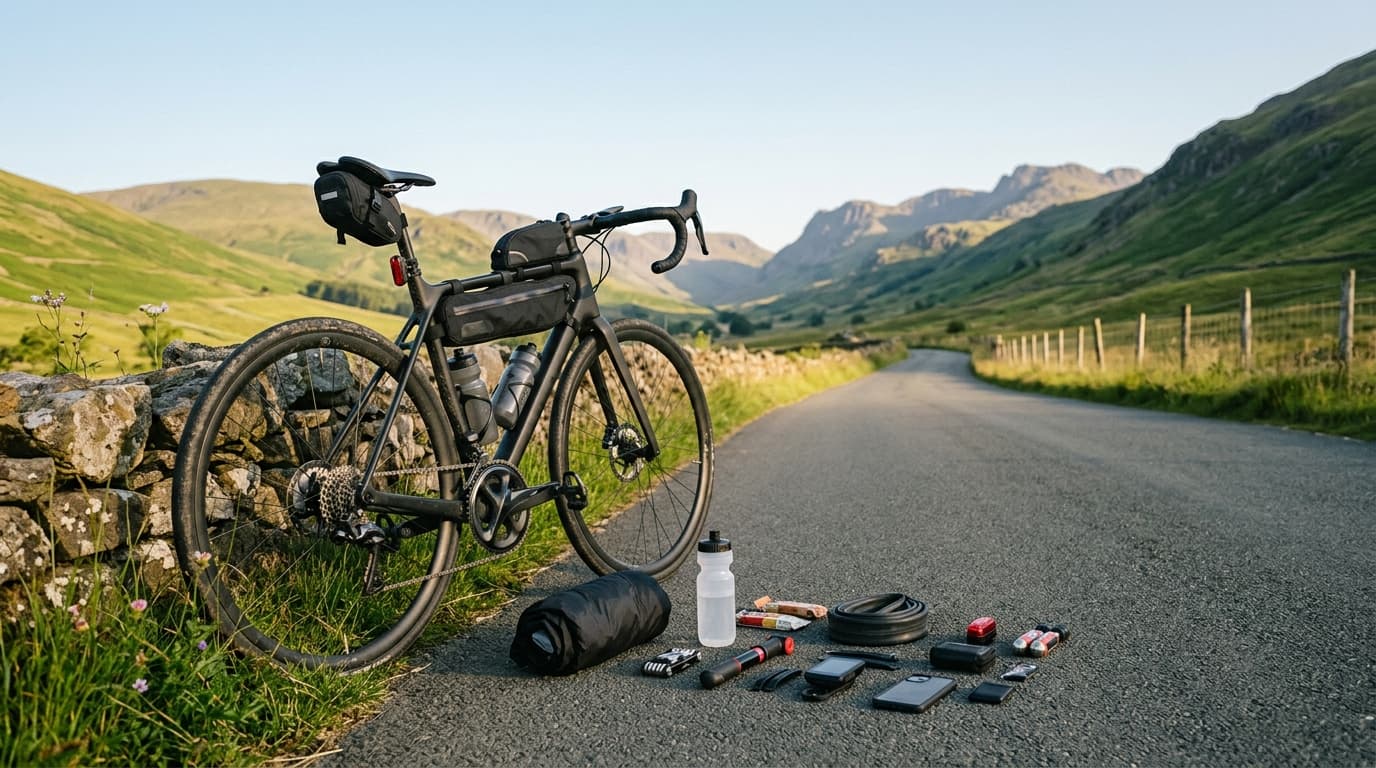
At minimum, carry a spare tube that matches your tire size, or a patch kit if you’d rather repair the one you have. Bring tire levers to actually get the tire off the rim, since trying to do it with bare hands is a good way to bruise your thumbs and waste time. A mini pump or a CO2 inflator with a couple of cartridges gets your tire back to pressure quickly, and a small multi-tool with hex wrenches lets you handle loose bolts, brake adjustments, or other small mechanical issues that pop up mid-ride.
If you’re heading out for a genuinely long ride, it’s also worth tossing in a quick link or master link for your specific chain. Chains do occasionally break, and a quick link lets you rejoin it on the spot instead of walking home.
Hydration and Nutrition
Running low on water or food is one of the fastest ways to turn a good ride into a bad one. Your body doesn’t give you much warning before performance drops off a cliff, so it’s better to overestimate here than underestimate.
For hydration, water bottles work fine for shorter rides, while a hydration bladder is worth considering for longer or hotter rides where stopping to refill isn’t convenient. If you’re out for more than about ninety minutes, especially in warm weather, electrolyte tabs or a mix added to your water help replace what you’re losing through sweat and can prevent cramping later in the ride.
On the food side, easily digestible options work best while you’re actually pedaling. Energy bars, gels, dried fruit, and nut butter packets are all popular because they’re compact and don’t require much digestive effort. A reasonable rule of thumb is somewhere around 200 to 300 calories per hour of moderate riding, though this varies quite a bit by body size and intensity. For rides stretching past three or four hours, it’s worth planning an actual food stop, whether that’s a packed sandwich or a café along your route, since gels and bars alone start to feel pretty unappetizing after a while.
Tools and Spares Beyond the Basics
A few small extras go a surprisingly long way when something unexpected happens. A short roll of electrical or gaffer tape barely takes up any space and can temporarily fix torn shoes, a split grip, a cracked fender, or a dozen other things you wouldn’t expect tape to solve. A handful of zip ties serve a similar purpose for securing loose items or making a quick fix hold until you get home.
If you’re riding somewhere remote or doing a long point-to-point route, a spare derailleur hanger specific to your bike is worth carrying, since a bent or broken hanger can otherwise end your ride entirely. And it’s always smart to have a bit of cash or a card tucked away somewhere, in case you need to grab water, food, or a ride home unexpectedly.
Safety and Visibility Gear
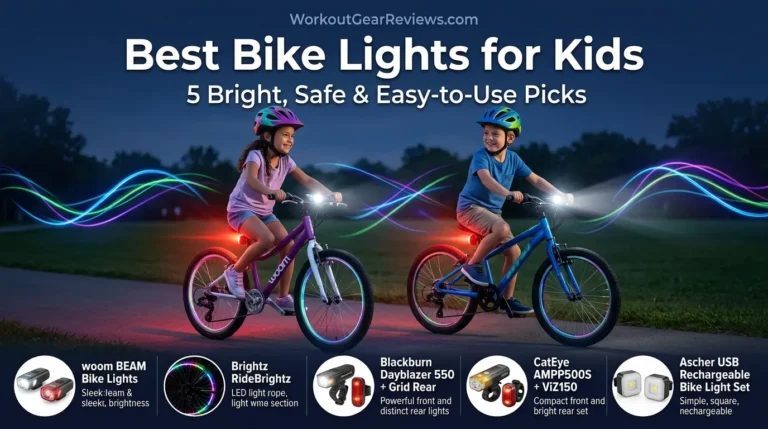
Even if you’re planning a daytime ride, it’s worth bringing lights, especially if there’s any chance you’ll be out later than expected. A mechanical delay or an extra loop around the park can easily push a morning ride into dusk.
Carrying some form of ID and emergency contact information is a good habit, whether that’s a small roadside ID band or just making sure your phone’s lock screen has emergency info accessible. A basic first aid kit doesn’t need to be elaborate. A few bandages, some antiseptic wipes, and a blister pad or two cover most of what you’re likely to actually need.
Bring your phone fully charged, and if you’re heading somewhere with spotty service, save your route offline before you leave. Losing signal in the middle of a route you don’t know well is a stressful way to spend an afternoon.
Weather and Comfort Items
Weather can shift more than you’d expect over the course of a long ride, especially if you’re gaining elevation or riding into the evening. A packable rain jacket or a lightweight wind shell takes up very little space and can be the difference between a manageable ride and a miserable one if conditions turn.
Arm or leg warmers are great for rides that start cool and warm up, since they’re easy to remove and stash once the temperature climbs. Sunscreen and a lip balm with SPF matter more than people think, particularly on rides longer than an hour or two. An extra pair of gloves is worth having for colder or longer rides, since wet or sweaty gloves get uncomfortable fast. And if you’re logging serious mileage, chamois cream can make a real difference in saddle comfort over several hours, even if it feels unnecessary for shorter rides.
Navigation
For longer or unfamiliar routes, some form of navigation is worth having beyond just knowing the general direction of home. A dedicated GPS bike computer or a phone mounted on your handlebars with a cycling app both work well, and either gives you turn-by-turn guidance without needing to stop and check a map.
Whatever you use, download offline maps as a backup in case you lose signal partway through. And if you’re heading somewhere truly remote where a dead phone battery would actually be a problem, an old-fashioned printed cue sheet tucked in a pocket is a low-tech but reliable failsafe.
How to Pack It All Without Overloading Your Bike
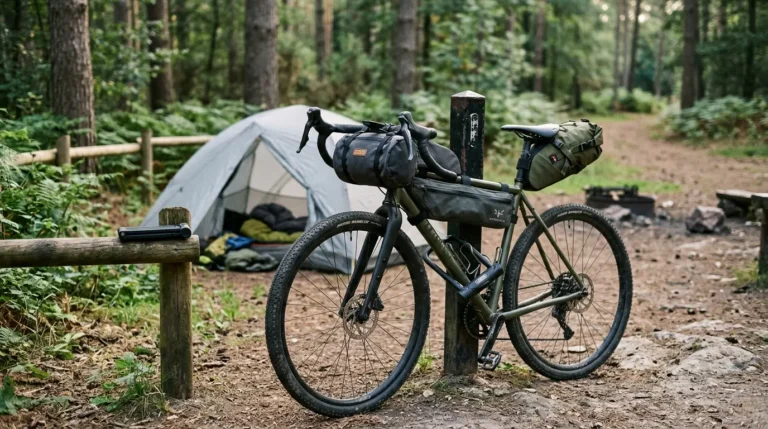
Once you’ve gathered everything you might need, the next question is how to actually carry it without turning your bike into a pack mule. A saddle bag is great for repair tools and small items, keeping your back free and your weight low and centered. A frame bag adds more capacity for longer rides without the discomfort of a loaded backpack. A backpack works in a pinch, but it tends to get sweaty and uncomfortable over long distances, so it’s usually better reserved for items you genuinely need close at hand.
The bigger principle is distributing weight rather than stuffing everything into a single bag hanging off your seat. And perhaps most importantly, match what you carry to the actual ride in front of you. A quick two-hour loop close to home doesn’t need the same kit as a remote all-day route with no services along the way. Overpacking for every ride just adds unnecessary weight, while underpacking for a genuinely long or remote ride is how people end up stranded.
Final Thoughts
The right packing list isn’t about carrying everything all the time. It’s about understanding the categories that matter, repair, fuel, safety, comfort, and navigation, and packing according to the specific demands of the ride you’re actually doing. Get that balance right and you’ll spend a lot less time worrying about what could go wrong and a lot more time enjoying the miles.
If you’re looking to upgrade how you carry your gear, check out our comparison of the best saddle bags and frame bags for long-distance rides.